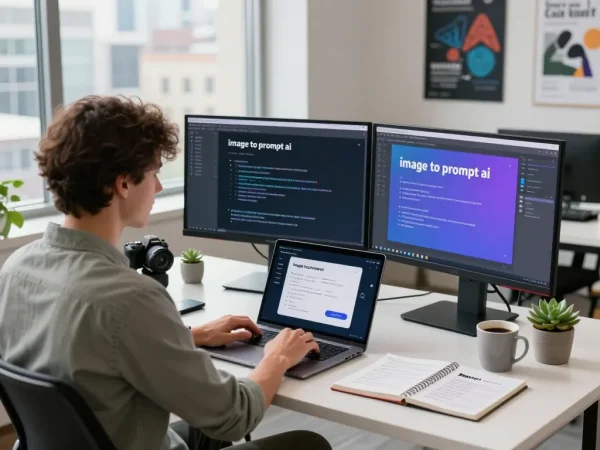
Understanding the Image to Prompt AI Technology
As artificial intelligence continues to revolutionize various sectors, one of the most fascinating advancements is the development of image to prompt ai technologies. These tools empower users to convert visual data into descriptive text prompts seamlessly. This article delves into what an image to prompt AI is, how it functions, and the benefits it offers for enhancing AI-generated creativity and efficiency.
What is an Image to Prompt AI?
An image to prompt AI is a sophisticated artificial intelligence tool designed to analyze visual images and translate them into detailed textual descriptions or prompts. These prompts can be tailored for use with various AI image generation models, including popular platforms like Midjourney, Stable Diffusion, and Gemini. Essentially, these tools bridge the gap between visual perception and textual interpretation, enabling users to leverage their creative ideas effectively.
How Image to Prompt Tools Work
At the core of image to prompt AI technology lies advanced machine learning algorithms that have been trained on vast datasets of images and corresponding textual descriptions. When a user uploads an image, the AI processes the content, identifying key elements such as subjects, environments, and styles. This analysis then culminates in the generation of a coherent text prompt that encapsulates the essence of the original image. Most tools allow customization options to fine-tune the generated output based on specific needs or preferred AI models.
Benefits of Using Image to Prompt AI
- Enhanced Creativity: By providing users with a structured prompt based on visual input, these tools can unlock new avenues for artistic expression.
- Improved Efficiency: Artists and designers can save time by quickly generating prompts instead of manually drafting descriptions for their visual concepts.
- Accessibility: The technology democratizes creative processes, enabling individuals without extensive artistic training to engage effectively with AI models.
- Flexibility: Users can adapt prompts for various AI models, opening endless possibilities for customization and experimentation.
How to Effectively Use Image to Prompt AI
Step-by-Step Guide to Generating Prompts
Utilizing an image to prompt AI is a straightforward process. Here’s how to make the most of these tools:
- Upload Your Image: Begin by selecting an image you want to analyze. Most platforms support formats such as PNG, JPG, and WEBP.
- Choose Your Settings: Depending on the platform, you may have options to select specific AI models or parameters for output preferences.
- Generate Prompt: Click the ‘Generate’ button to initiate the analysis. Wait for a few seconds as the AI processes the image.
- Review and Edit: Once the prompt is generated, review it carefully. You can refine it further to better suit your requirements.
- Use the Prompt: Copy the final prompt and input it into your desired AI image generator to create stunning visuals.
Common User Mistakes to Avoid
While using image to prompt AI tools can be intuitive, users often fall into common traps:
- Neglecting to Choose Settings: Failing to adjust model or style settings can lead to generic results that do not align with users’ creative visions.
- Ignoring Image Quality: Low-resolution images may lead to poor prompt generation, as the AI relies on visual details to create accurate descriptions.
- Underestimating the Importance of Refinement: Users often accept the initial generated prompt without further editing, missing opportunities for better specificity or creativity.
Free vs. Paid Image to Prompt AI Tools
Users can choose between free and paid image to prompt AI tools, each offering distinct advantages:
- Free Tools: These are excellent for casual users or those starting their journey in AI-generated content. However, they may have limitations, such as reduced features or processing speed.
- Paid Tools: Subscription-based services often provide advanced functionalities, including higher quality outputs, faster processing times, and better customization options. These tools can be invaluable for professionals engaged in creative projects.
Enhancing Your AI Image Generation with Prompts
Types of Prompts Generated by Image to Prompt AI
Image to prompt AI tools can generate various types of prompts tailored to different creative needs:
- Descriptive Prompts: These provide detailed descriptions of the image, focusing on visual elements, moods, and settings.
- Name and Title Prompts: Ideal for branding or storytelling, these prompts generate catchy titles or names based on the image’s content.
- Contextual Prompts: These incorporate the image into a broader narrative or theme, perfect for use in marketing materials or creative writing projects.
Integrating Prompts into AI Image Generators
Once users have generated a prompt, integrating it into an AI image generator is crucial for achieving desired results. Users should consider:
- Prompt Length: Shorter prompts may yield more abstract images, while longer, detailed prompts can lead to more specific and coherent visuals.
- Keywords and Themes: Identifying critical keywords within a prompt can further guide the AI in generating relevant and appealing images.
- Experimentation: Users should not hesitate to tweak prompts and experiment with different styles to discover unique artistic expressions.
Real-World Applications of Image to Prompt AI
Image to prompt AI technology finds applications across various fields:
- Marketing: Businesses can use generated prompts to create engaging visual advertisements and campaigns.
- Entertainment: Game developers and writers utilize these tools for creating storyboards and conceptual art.
- Education: Instructors can craft illustrative materials that enhance learning experiences through visual aids.
Exploring Compatibility with Leading AI Models
Using Image to Prompt with Nano Banana Pro
Nano Banana Pro users benefit from seamless integration with image to prompt AI tools, allowing for rapid generation of detailed prompts suitable for unique image rendering styles. The platform’s user-friendly interface simplifies the process, making it accessible even to those with limited technical expertise.
Compatibility with Gemini and Flux Models
Gemini and Flux AI models are increasingly popular in the creative industry, offering specific enhancements for visual art creation. Image to prompt AI tools can adapt prompts for these models, utilizing their unique parameters to achieve stunning outputs tailored to user specifications.
Advantages of Multi-Model Prompting
Integrating prompts across multiple AI models can yield various benefits:
- Diverse Styles: Different AI models excel in unique areas, such as realism, abstraction, or fantasy, allowing users to choose outputs that best fit their project.
- Cross-Platform Functionality: Users can switch between models to refine their creative outcomes based on evolving artistic visions.
- Enhanced Flexibility: Multi-model prompting encourages experimentation, empowering creators to explore novel interpretations of their original images.
Future Trends in AI Prompt Generation
Emerging Technologies Influencing Image to Prompt AI
As technology evolves, several trends are shaping the future of image to prompt AI:
- Increased Personalization: Future tools will offer more customization options, allowing users to influence generated prompts based on their specific creative preferences.
- Integration with Augmented Reality: AI-generated prompts may soon be used in AR applications, enabling users to visualize concepts in real-world environments.
- Greater Accessibility: As AI technology becomes more refined and user-friendly, broader audiences will be able to utilize these tools for various applications.
Predictions for 2026 and Beyond
Looking ahead, the image to prompt AI landscape is likely to witness significant advancements:
- Refined Accuracy: With ongoing improvements in AI training, the accuracy and relevance of generated prompts will enhance dramatically.
- Incorporation of User Feedback: Future models will increasingly incorporate user feedback to improve prompt generation, creating a more tailored experience.
- Broader Use Cases: Industries beyond art and design, such as healthcare and robotics, will begin exploring how image to prompt AIs can assist in their specific creative processes.
Preparing for Changes in AI Image Generation
To stay ahead in the rapidly changing world of AI image generation, users should embrace continuous learning and experimentation. Keeping abreast of technological developments will empower creators to maximize their creative potential.
Frequently Asked Questions
Is Using Image to Prompt AI Free?
Many image to prompt AI tools offer free versions, while some provide premium features for a fee. It is advisable for users to review different options to select the platform best fitting their needs.
Can Image to Prompt AI Improve My Creative Process?
Absolutely! By generating detailed prompts quickly and efficiently, these tools can significantly enhance creativity and productivity, allowing artists and creators to focus on their actual work rather than preliminary descriptions.
What Types of Images Work Best with Image to Prompt AI?
High-quality images with clear subjects and details yield the most effective prompts. Images with distinct environments and styles also enhance the AI’s ability to generate accurate and engaging prompts.