Understanding the Image to Prompt Generator
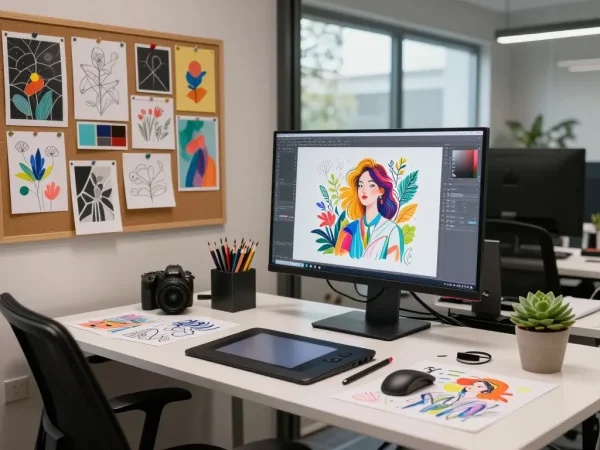
In the realm of digital creativity, the ability to convert visual inspiration into actionable text prompts is invaluable. The image to prompt generator serves as a bridge between visual art and AI-driven creativity, enabling artists and designers to generate detailed prompts that inform their creative processes. From digital artists to marketing professionals, this tool is designed to unlock new levels of creativity by making visual content more accessible to AI systems.
What is an Image to Prompt Generator?
An Image to Prompt Generator is an innovative AI tool that transforms images into descriptive text prompts. This process is essential for artists seeking to recreate the essence of an image or to collaborate with AI art generators like Midjourney, Stable Diffusion, and Flux. By analyzing the visual characteristics of an image—including its subjects, colors, and composition—the tool creates a text description that can be used to generate similar visuals or to inspire new artwork.
The Technology Behind AI Image Analysis
The technology that powers image to prompt generators is predicated on advanced machine learning algorithms capable of identifying and interpreting the myriad elements within an image. This includes not only the objects depicted but also the context, lighting, mood, and artistic style. By leveraging deep learning models, these tools can provide nuanced descriptions that resonate with specific AI art generators, enhancing the accuracy and effectiveness of the prompts created.
Benefits of Using an Image to Prompt Tool
- Enhanced Creativity: Artists can explore new ideas by generating prompts that might not have been conceived through traditional brainstorming methods.
- Time Efficiency: Converting images into prompts can save a significant amount of time for artists and designers when compared to crafting prompts from scratch.
- Cross-Model Compatibility: The tool supports multiple AI models, allowing users to tailor their prompts according to the specific requirements of each generator.
- Access to Visual Inspiration: The generator democratizes access to artistic inspiration, enabling users to leverage existing visuals effectively.
How to Use the Image to Prompt Tool Effectively
Step-by-Step Guide to Uploading Your Image
Using the image to prompt generator is a straightforward process. Here’s how you can get started:
- Upload Your Image: Users can drag-and-drop or select an image file (JPG, PNG, or WEBP) from their device. The maximum upload limit is typically 4MB, ensuring quick processing.
- Select Your AI Model: Choose the appropriate AI model for your needs. Options may include Midjourney, Stable Diffusion, and others, each optimized for different artistic styles.
- Generate the Prompt: After uploading, the AI analyzes the image and generates a text prompt. This description can then be copied for use in AI art generators.
Selecting the Right AI Model for Your Needs
Different AI models cater to varied artistic requirements. For instance:
- Midjourney: Generates prompts with a poetic flair, suitable for imaginative and stylistic interpretations.
- Stable Diffusion: Focuses on clear, technical language and precise keywords, ideal for creating structured images.
- Flux: Tailored for modern applications, this model emphasizes concise prompts, optimizing for the latest AI advancements.
Optimizing Prompts for AI Art Generation
To ensure the highest quality outputs when using AI generators, optimizing prompts is crucial. Here are some strategies to consider:
- Specificity: The more specific the prompt, the better the output. Include details about colors, styles, and emotions.
- Experimentation: Don’t hesitate to test different prompts with the same image to see varying results.
- Combining Elements: Consider blending elements from different images to create a multifaceted prompt that inspires unique outputs.
Unlocking Creative Potential with Image Prompts
Case Studies of Artists Using Image Prompts
Numerous digital artists have leveraged image to prompt generators to revitalize their creative workflows. For example, a designer specializing in fantasy art used the tool to convert classic paintings into prompts, which led to a series of AI-generated artworks that resonated with contemporary themes, breathing new life into traditional concepts.
Tips for Generating Unique and Effective Prompts
To maximize the effectiveness of your generated prompts, consider these tips:
- Analyze Successful Outputs: Look at the characteristics of successful artwork generated from prompts and adjust your descriptions accordingly.
- Maintain a Sketchbook: Gather inspiration from various sources and visualize your ideas. Use these as reference images for the generator.
- Stay Updated: Keep abreast of new trends in AI art generation and adapt your prompting strategies to fit these emerging styles.
Common Challenges and How to Overcome Them
While the image to prompt generator is powerful, users may encounter challenges such as:
- Vagueness of Prompts: If a prompt is too broad, the AI might produce generic results. Always aim for clarity.
- Model Limitations: Each AI model has its strengths and weaknesses. Familiarize yourself with each to get the best results.
- Quality of Input Images: Low-quality images can result in inaccurate prompts. Ensure your source images are clear and well-composed.
Advanced Techniques for Image to Prompt Generation
Mastering Multi-Model Prompts for Various AI Tools
As an advanced user, mastering multi-model prompts allows you to obtain the best results across different platforms. By understanding the unique syntax and requirements of various models, you can create prompts that leverage the strengths of each tool, enhancing the overall quality of your output.
Incorporating Historical Photos and Sketches into Prompts
Using historical images or sketches as the basis for prompts can generate unique artistic outcomes. The generator can analyze these inputs to produce prompts that draw on rich historical contexts or artistic styles, allowing modern creators to reinterpret classic themes.
Balancing Creativity and Accuracy in Descriptions
Effective prompts should strike a balance between creativity and accuracy. While imaginative qualities can lead to stunning visual outputs, precise language ensures that the AI accurately interprets your vision. Aim to craft descriptions that inspire while providing enough detail to guide the AI effectively.
The Future of Image Prompt Generation
Emerging Trends in AI Art and Image Description
The landscape of AI art generation is rapidly evolving. Emerging trends indicate an increasing integration of image prompt tools with collaborative platforms, where artists can share prompts and results, enhancing community creativity. Additionally, as AI capabilities expand, the prompts generated may include more dynamic elements that can adapt over time or context.
Preparing for AI Video Integration with Image Prompts
With AI video generation gaining traction, the ability to craft prompts for dynamic content is becoming increasingly important. Image to prompt generators will play a crucial role in creating detailed prompts that maintain visual consistency across frames, enhancing storytelling through audiovisual content.
What to Expect in the Next Five Years of AI Art Creation
The next five years promise to bring significant advancements in both AI technology and aesthetic understanding. As tools become more sophisticated, artists will enjoy greater freedom and flexibility in their creative endeavors. Expect an era where the intersection of AI and human artistry leads to entirely new forms of expression and creative collaboration.
Can I use an image as a prompt with ChatGPT?
Yes, images can be leveraged to inform prompts in ChatGPT, although the functionality may vary depending on integration capabilities and model specifications. Utilizing the structured descriptions generated by an image to prompt generator can enhance the specificity and relevance of these interactions.
How accurate is the image description generated?
The accuracy of the image descriptions varies based on the quality of the input image and the sophistication of the underlying AI algorithms. Generally, high-quality images yield more precise and nuanced descriptions, while less detailed visuals might limit the effectiveness of the prompts.
Do you store any uploaded images for future use?
Most reputable image to prompt platforms prioritize user privacy by not storing uploaded images after processing. This ensures creative confidentiality and protects valuable intellectual property.
What AI models do you support for image prompts?
Leading platforms typically support multiple AI models including Midjourney, Stable Diffusion, and Flux, each tailored for different artistic applications. As the landscape of AI art continues to evolve, expect ongoing enhancements and the addition of new models to further broaden creative possibilities.
Can I generate prompts from old photos?
Yes, generating prompts from old photos is possible and can lead to compelling artistic outcomes. This practice allows artists to explore historical aesthetics and styles, infusing a modern twist into the narratives derived from past visuals.