
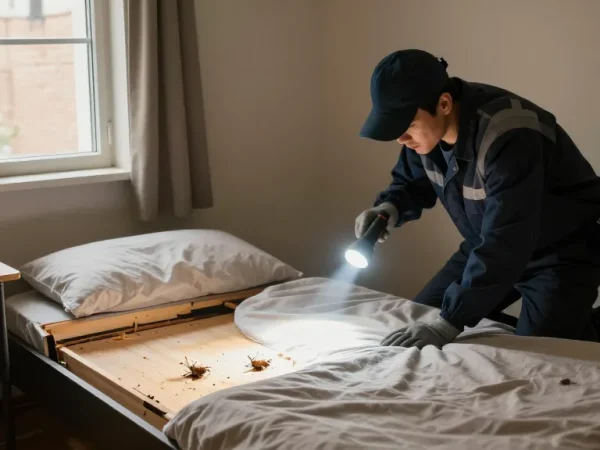
Understanding Bed Bugs: A Deep Dive
Bed bugs are tiny, resilient pests that have been causing sleepless nights for countless homeowners and travelers alike. As these insects continue to proliferate across various regions, understanding their behavior, life cycle, and signs of infestation becomes paramount for effective prevention and control. This comprehensive guide delves into everything you need to know about bed bugs, from their biology to the most effective bed bug pest control methods available.
What Are Bed Bugs and Their Life Cycle?
Bed bugs, scientifically known as Cimex lectularius, are small, brownish insects that feed on the blood of humans and animals. Adult bed bugs are about the size of an apple seed and have a flattened body, which allows them to hide easily in various environments. Their life cycle consists of five nymph stages, which mature into adults. Each stage requires a blood meal to progress, making their lifecycle heavily dependent on human hosts. A female bed bug can lay up to seven eggs per week, with the potential to produce over 500 eggs in her lifetime, leading to rapid population growth in infested areas.
Common Signs of a Bed Bug Infestation
Identifying a bed bug infestation early can save time and money. Here are some common signs:
- Itchy Bites: Often in clusters or lines on exposed skin.
- Blood Stains: Small blood stains on sheets or mattresses from crushed bugs.
- Dark Spots: Fecal spots that appear as small, dark dots on surfaces.
- Shed Skins: As bed bugs grow, they molt, leaving behind exoskeletons.
How Bed Bugs Spread: Prevention Tips
Bed bugs are notorious hitchhikers and can easily travel from one location to another through clothing, luggage, and used furniture. Here are some prevention tips to help minimize the risk of bringing bed bugs into your home:
- Inspect second-hand furniture and bedding before bringing them inside.
- Use protective covers on mattresses and box springs.
- Regularly vacuum and declutter your home.
- When traveling, inspect hotel rooms for signs of bed bugs and keep luggage elevated.
Effective Bed Bug Pest Control Methods
Once an infestation has been confirmed, it is crucial to employ effective pest control methods. Understanding the various treatment options can help you choose the most suitable approach for your situation.
Professional Treatments vs. DIY Approaches
While DIY solutions may seem appealing for their cost-effectiveness, they often lack the effectiveness required to eliminate a bed bug infestation fully. Professional pest control services, like those offered by Affordable Bed Bug Exterminators, utilize proven techniques and advanced treatments to ensure complete eradication of these pests. In many cases, a combination of heat and chemical treatments yields the best results.
Advantages of Heat Treatment for Bed Bugs
Heat treatment is an increasingly popular method for eradicating bed bugs. This approach involves raising the temperature of the infested area to a level that is lethal to bed bugs and their eggs. Some advantages of heat treatment include:
- Environmental Safety: It is a chemical-free option that poses less risk to health.
- Pervasiveness: Heat can reach all hiding spots, ensuring no bugs or eggs are overlooked.
- Fast Results: Heat treatment can often eliminate an infestation in just one session.
Understanding Chemical Treatments and Their Efficacy
Chemical treatments remain a traditional approach in bed bug control. These insecticides can provide a residual barrier that lasts for months, deterring new infestations. However, improper application can lead to resistance. Effective chemical treatment should only be performed by trained professionals to ensure safety and efficacy. Different formulations include contact sprays and residual insecticides, each designed to target various stages of the bed bug life cycle.
Cost Considerations for Bed Bug Pest Control
The cost of pest control services can vary significantly based on several factors, including the severity of the infestation, the treatment method used, and the location. Homeowners should be aware of these factors when budgeting for extermination services.
Typical Pricing for Professional Extermination Services
Professional bed bug extermination costs typically range from $1,000 to $2,500, depending on the treatment method and the size of the infestation. Heat treatment is generally more expensive due to the specialized equipment required, while chemical treatments may offer a more budget-friendly option.
Factors Influencing Treatment Costs
Several factors can influence the cost of bed bug pest control, including:
- Severity of Infestation: More extensive infestations require more resources and time.
- Type of Treatment: The method chosen (heat vs. chemical) can impact overall costs.
- Location: Urban areas with higher demand may see higher prices.
How to Choose Budget-Friendly Solutions
Choosing budget-friendly options doesn’t mean compromising on quality. Here are some practical tips:
- Obtain multiple quotes from different pest control services.
- Look for seasonal promotions or discounts.
- Consider preventive measures to minimize the risk of future infestations.
Real-World Case Studies: Successful Bed Bug Removals
Examining real-world scenarios can provide valuable insights into the effectiveness of different treatment methods. Here, we share some case studies that highlight successful bed bug removal.
Detailed Analysis of Treatment Outcomes
In a recent case involving a multi-unit apartment complex, a combination of heat treatment and residual insecticides was employed after an initial visual inspection revealed a widespread infestation. Follow-up inspections confirmed that the treatment successfully eradicated bed bugs in all units. The entire process was carried out with minimal disruption to the tenants.
Client Testimonials and Experiences
Customer feedback is crucial in assessing the effectiveness of pest control services. A client in Milwaukee shared, “After struggling with an infestation for months, Affordable Bed Bug Exterminators provided a comprehensive solution that worked on the first try. Their team was professional and understanding, making a difficult situation much easier.”
Lessons Learned from Bed Bug Control Cases
Each case teaches valuable lessons about bed bug behavior and treatment efficacy. Many successful treatments reaffirm the importance of early detection and comprehensive treatment plans that include both chemical and non-chemical solutions.
Future Trends in Bed Bug Pest Control for 2026 and Beyond
The pest control industry is continually evolving with advancements in technology and treatment methodologies. Here, we explore emerging trends that could reshape bed bug control in the coming years.
Innovations in Pest Control Technologies
Technological advancements such as heat treatment systems and insect detection devices are becoming more sophisticated. New solutions like integrated pest management (IPM) strategies will likely combine multiple approaches for enhanced effectiveness.
Emerging Best Practices for Extermination
Best practices are evolving as more data on bed bug biology and behavior becomes available. Multi-faceted treatment approaches that incorporate both heat and chemicals, along with ongoing monitoring, are expected to become standard.
Predictions for the Bed Bug Control Industry
As bed bugs remain a persistent issue, the demand for effective pest control services will continue to grow. Accordingly, companies that prioritize customer education and transparent pricing will likely gain a competitive edge.
What Are the Most Common Bed Bug Myths?
Several myths surrounding bed bugs can lead to confusion and mismanagement. For instance, many believe that bed bugs are only found in dirty homes; however, they can thrive in any environment with access to food (human blood). Disposing of infested furniture is not always necessary, as professional treatments can effectively salvage it.
Can Chemical Treatments Harm My Family or Pets?
While modern chemical treatments are designed to be effective yet safe, they must be used appropriately. Homeowners should communicate any concerns with pest control experts to ensure the safety of their families and pets during treatment.
How Can I Prepare My Home for Extermination?
Preparation can significantly impact the success of bed bug extermination. Simple steps include decluttering the home, washing bedding, and heeding any specific instructions given by the pest control provider.
What to Do if You Discover Bed Bugs While Traveling?
If bed bugs are discovered while traveling, it’s vital to take immediate action. Notify hotel staff, isolate your belongings, and inspect your luggage before returning home to prevent a potential infestation.
Are There Eco-Friendly Solutions for Bed Bug Treatment?
Yes, many pest control services now offer eco-friendly treatments that effectively eliminate bed bugs while minimizing environmental impact. These options appeal to environmentally conscious consumers seeking alternative solutions.