
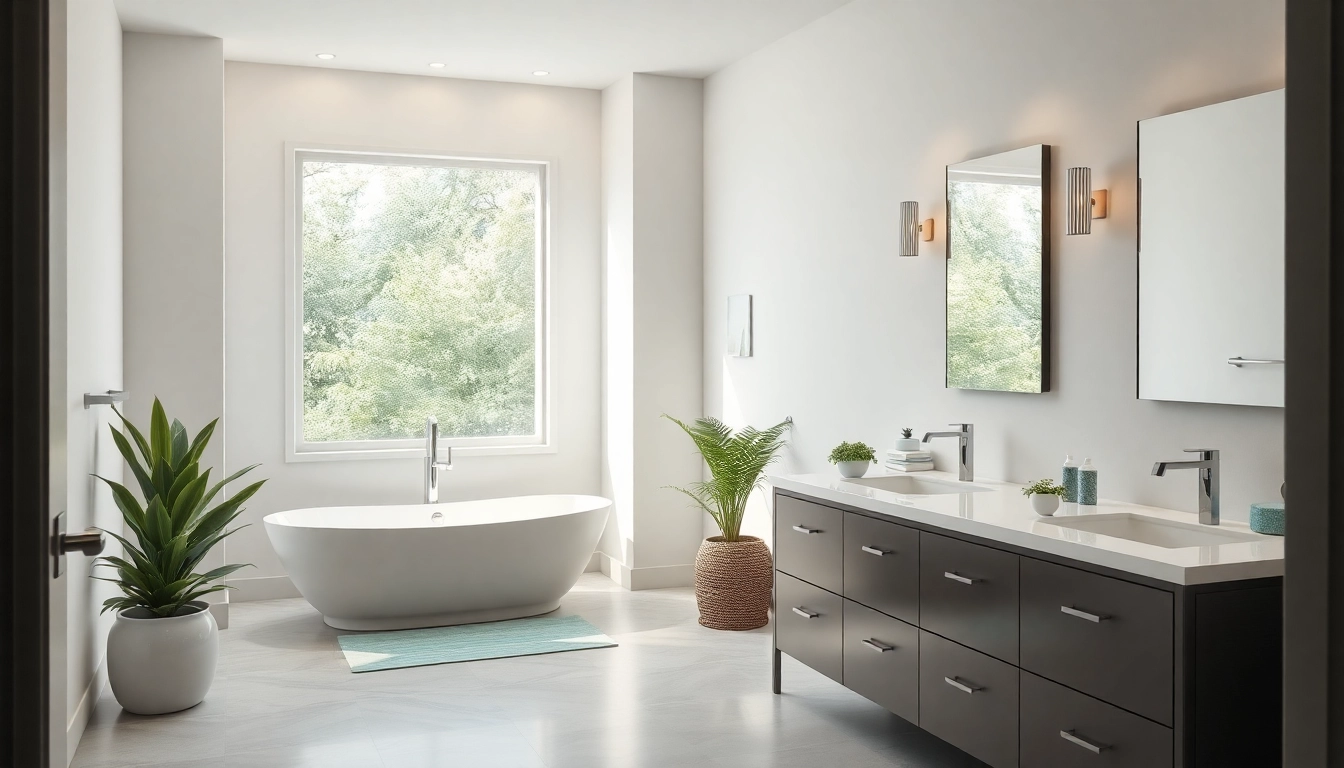
Embarking on a bathroom remodeling project can be an exciting yet daunting endeavor. A bathroom remodel is not just about aesthetics; it enhances functionality, optimizes space, and increases the value of your home. To ensure your remodeling journey is both enjoyable and successful, it’s essential to understand the various aspects involved, from the basics of remodeling to selecting the right materials, considering design styles, and maintaining your newly renovated space.
Understanding the Basics of Bathroom Remodeling
What is Bathroom Remodeling?
Bathroom remodeling refers to the process of renovating your existing bathroom to improve both its appearance and functionality. This can include minor updates, such as new fixtures or paint, to extensive renovations that may involve changing the room’s layout, installing new plumbing, or upgrading electrical systems. Regardless of the scale, bathroom remodeling aims to create a more attractive and functional space for users.
Key Benefits of Remodeling Your Bathroom
Investing in a bathroom remodel provides numerous advantages, including:
- Increased Home Value: A well-executed bathroom remodel can significantly increase the resale value of your home, making it an appealing investment for potential buyers.
- Improved Functionality: Remodeling allows you to enhance the layout and usability of the space, providing better storage solutions and accommodating modern fixtures.
- Enhanced Comfort and Aesthetics: Updating outdated features can create a relaxing and comfortable environment, transforming your bathroom into a spa-like retreat.
- Energy Efficiency: Incorporating energy-efficient fixtures and appliances can lower utility bills while being mindful of the environment.
Common Bathroom Remodeling Trends in 2025
The bathroom remodeling landscape is continually evolving, with new trends emerging each year. In 2025, expect to see:
- Smart Technology: Integrating technology into bathrooms, such as smart mirrors, touchscreen controls, and automated faucets.
- Bold Colors and Patterns: Moving away from neutral palettes to vibrant colors like deep blues, greens, and unique tile patterns.
- Freestanding Tubs: These tubs continue to be popular for creating a luxurious focal point in the bathroom.
- Natural Materials: Using sustainable materials like bamboo, reclaimed wood, and stone to promote a connection with nature.
Planning Your Bathroom Renovation
How to Set a Realistic Budget for Bathroom Remodeling
One of the first steps in a successful bathroom remodel is setting a realistic budget. Consider the following:
- Assess Needs vs. Wants: List the essentials needed for functionality versus aesthetic upgrades that may be desired.
- Research Costs: Examine industry standards for various renovations. Estimates suggest a complete bathroom remodel can range from $5,000 to $15,000 depending on several factors.
- Include a Contingency Fund: Set aside 10-20% for unexpected expenses that often arise during renovations.
Choosing the Right Materials for Your Remodel
The choice of materials significantly impacts both the functionality and aesthetics of your bathroom. Here’s how to choose wisely:
- Durability vs. Aesthetics: Select materials that can withstand moisture while offering a visually appealing look, such as ceramic or porcelain tiles.
- Low Maintenance Options: Prioritize materials that require minimal upkeep; for example, quartz countertops over natural stone.
- Eco-Friendly Choices: Consider sustainable materials that promote environmental conservation while still providing durability.
Creating a Functional and Stylish Layout
A bathroom layout should balance aesthetics with efficiency. Here are tips for optimizing your design:
- Zones of Use: Establish areas for different activities (e.g., showering, grooming, using the toilet) to streamline workflow.
- Space Efficiency: Incorporate built-in storage solutions to maximize space without compromising style.
- Flow and Access: Ensure that the layout allows for easy movement without obstructing pathways.
Popular Styles and Designs for Bathroom Remodels
Modern vs. Traditional: Deciding Your Style
Your choice between modern and traditional styles should reflect your personal taste and the overall aesthetic of your home:
- Modern Designs: These typically feature clean lines, minimalistic decor, and functional fixtures.
- Traditional Styles: These often include ornate details, warm tones, and classic materials such as marble or wood detailing.
Incorporating Sustainability in Bathroom Remodeling
Sustainability is not just a trend; it’s becoming a staple in bathroom design. Here are ways to incorporate eco-friendly practices:
- Water-Saving Fixtures: Install low-flow toilets and faucets to reduce water waste.
- Energy-Efficient Lighting: Utilize LED lights that consume less energy and last longer.
- Recycled Materials: Use recycled tiles or reclaimed wood to reduce the environmental impact of your renovation.
Utilizing Space in Small Bathroom Remodeling Projects
Small bathrooms offer unique challenges but also countless opportunities for creative design:
- Opt for Compact Fixtures: Select space-saving toilets and vanities that maximize utility without sacrificing style.
- Light Colors and Mirrors: Use lighter colors and strategically placed mirrors to create an illusion of more space.
- Vertical Solutions: Implement shelving and cabinets that utilize vertical space for storage without encroaching on floor space.
Hiring Professionals vs. DIY Bathroom Remodeling
Benefits of Hiring a Contractor for Your Bathroom
While DIY can save money, hiring a qualified contractor can provide numerous benefits:
- Expertise and Experience: Professionals have the skills needed to navigate complex plumbing or electrical issues.
- Time Efficiency: Professionals can complete renovations more quickly than the average homeowner.
- Quality Assurance: A licensed contractor will ensure that all work meets local building codes and standards.
Essential DIY Tips for a Successful Bathroom Remodel
If you choose to tackle the remodel yourself, consider these tips:
- Plan Thoroughly: Before starting, create a detailed plan and timeline for your project.
- Invest in Quality Tools: Using reliable tools will save time and produce higher quality results.
- Don’t Rush: Take your time with each stage of the project to ensure quality and avoid mistakes.
When to Seek Professional Help During Remodeling
Even seasoned DIYers may encounter situations that require professional expertise. These may include:
- Complex Plumbing or Electrical Work: Any major alterations involving plumbing or electrical systems should be handled by licensed professionals.
- Structural Changes: If your remodeling plans include moving walls or changing layouts that affect the structural integrity, consulting a contractor is crucial.
- Permits and Inspections: Navigating legal requirements may be beyond the scope of a DIY project, making professional guidance necessary.
Post-Renovation: Maintaining Your Newly Remodeled Bathroom
Best Practices for Bathroom Maintenance
To ensure longevity and beauty in your newly remodeled bathroom, regular maintenance is key. Consider the following practices:
- Regular Cleaning: Use gentle cleaners that won't damage fixtures or surfaces. Consider a cleaning schedule for deep cleaning tasks.
- Check for Leaks: Routinely inspect plumbing for leaks, especially around fixtures. Early detection can save future headaches.
- Avoid Harsh Chemicals: Opt for natural cleaning options that are safe for both your health and the environment.
How to Keep Your Bathroom Remodeling Looking Fresh
Here are additional tips to maintain the freshness of your bathroom:
- Refresh Decor: Consider changing out towels, accessories, and art periodically to keep the look updated.
- Update Grout: Re-grouting tiles can prevent mold growth and restore the appearance of your tiled surfaces.
- Regular Checks on Fixtures: Periodically check and replace faucets or light fixtures that show signs of wear and tear.
Measuring the Success of Your Bathroom Remodel
Evaluating the success of your bathroom renovation involves both functional and aesthetic considerations:
- User Satisfaction: Gauge how well the new bathroom meets the needs of all users.
- Return on Investment: If you plan to sell in the future, consider how the updates may attract potential buyers and improve your property's value.
- Longevity and Maintenance: Determine how easily the new finishes and fixtures can be maintained over time.