
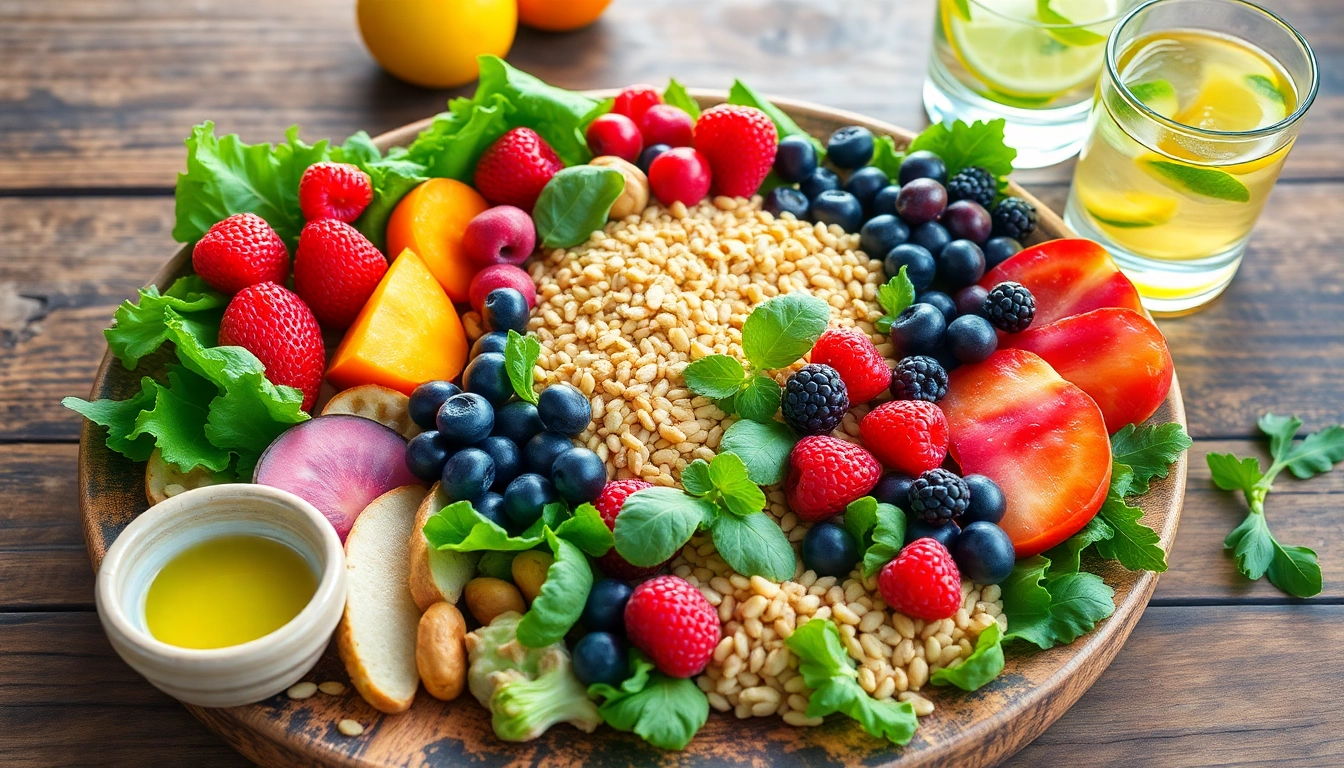
Understanding Healthy Food
In today's fast-paced world, the importance of Healthy Food cannot be overstated. A balanced diet not only serves as a foundational aspect of our overall well-being but also plays a crucial role in preventing various chronic diseases. This guide will delve into what constitutes a healthy diet, the benefits of incorporating nutritious foods, and dispelling common misconceptions that often surround healthy eating.
What Constitutes a Healthy Diet?
A healthy diet is one that includes a balanced intake of various food groups in the right proportions. Key elements of a healthy diet include:
- Fruits and Vegetables: These are rich in essential vitamins, minerals, and fiber while being low in calories. Aim for a colorful variety to get the full spectrum of nutrients.
- Whole Grains: Unlike refined grains, whole grains retain their bran and germ, providing more fiber and nutrients, such as B vitamins and iron.
- Lean Proteins: Sources such as chicken, turkey, fish, beans, and legumes are integral to muscle repair and overall health.
- Healthy Fats: These come from sources like avocados, nuts, seeds, and olive oil and are vital for energy and nutrient absorption.
- Hydration: It’s crucial to drink plenty of water and limit sugary beverages, as hydration plays a key role in overall health.
Benefits of Incorporating Healthy Foods
Integrating healthy foods into your diet can lead to a plethora of health benefits, including:
- Weight Management: Healthy foods are often lower in calories and higher in satiety, making it easier to maintain a healthy weight.
- Disease Prevention: Diets rich in fruits, vegetables, whole grains, and healthy fats can lower the risk of chronic diseases such as heart disease, diabetes, and certain cancers.
- Improved Mental Health: Research has shown a link between nutrition and mental well-being. Omega-3 fatty acids, for example, are crucial for brain health.
- Better Digestive Health: A diet high in fiber promotes healthy digestion and can prevent constipation and other digestive disorders.
- Enhanced Energy Levels: Proper nutrition fuels the body, leading to improved energy levels and productivity throughout the day.
Common Misconceptions About Healthy Eating
Despite the proven benefits of healthy eating, several misconceptions persist:
- Healthy Eating is Expensive: While organic and specialty health foods can be pricey, whole foods like grains, beans, and seasonal fruits and vegetables are often affordable.
- Healthy Food is Boring: Many believe that healthy food lacks flavor. However, with the right seasonings and cooking techniques, healthy meals can be delicious and varied.
- All Carbs are Bad: The key lies in choosing whole grains over refined carbohydrates, which can indeed lead to health problems.
Key Components of Healthy Food
Fruits and Vegetables: The Power Players
Fruits and vegetables are often referred to as the cornerstones of a healthy diet. They are not only essential for their vitamins and minerals but also for their fiber content. Aim to fill half your plate with colorful fruits and vegetables at every meal.
Research suggests that consuming a wide variety of produce can enhance health outcomes. For example, tomatoes and oranges are rich in vitamin C, while dark leafy greens are packed with iron and calcium. Berries, which are high in antioxidants, can improve heart health and protect against chronic diseases.
Whole Grains and Their Importance
Whole grains are crucial for providing energy and improving digestion, thanks to their high fiber content. Common examples include oats, quinoa, brown rice, and whole wheat products. These grains are associated with a decreased risk of heart disease and type 2 diabetes and have been shown to aid in weight management.
For optimal health, individuals should consider replacing refined grains in their diet with whole grains. This is because whole grains undergo less processing and, therefore, retain more nutrient content, which is important for overall health.
Healthy Fats vs. Unhealthy Fats
Not all fats are created equal. Understanding the difference between healthy and unhealthy fats is critical for a balanced diet. Healthy fats, such as monounsaturated and polyunsaturated fats found in nuts, seeds, avocados, and fish, can improve heart health and reduce inflammation.
On the other hand, trans fats and excessive saturated fats, often found in processed foods and red meats, can lead to adverse health outcomes, including increased cholesterol levels.
Healthy Eating Habits
Meal Prep: Making Healthy Eating Convenient
Meal prep has become a popular strategy for making healthy eating more accessible. By planning and preparing meals in advance, individuals can ensure they have healthy options readily available throughout the week. This practice helps to avoid the temptation of unhealthy food choices, especially during busy days.
Consider setting aside time on weekends to cook and portion meals into containers. This way, when hunger strikes, having nutritious meals ready to go can help maintain healthy eating habits effortlessly.
Portion Control for Better Health
Understanding portion sizes is essential to maintaining a healthy diet. Many people underestimate serving sizes, leading to overeating. Using smaller plates, measuring portions, and being mindful of serving sizes can significantly enhance weight management efforts.
Engaging in mindful eating—concentrating on the meal at hand without distractions—can also facilitate perception of satiety, helping individuals recognize when they are full.
Mindful Eating Practices
Mindful eating embraces awareness of the eating experience, allowing for better digestion and enjoyment of food. By slowing down and savoring each bite, individuals can develop a healthier relationship with food. Techniques such as chewing slowly, appreciating flavors, and paying attention to hunger cues can all contribute to improved dietary habits.
Recipes and Ideas for Healthy Food
Quick and Easy Healthy Breakfast Recipes
Breakfast is often touted as the most important meal of the day. Here are some quick and nutritious breakfast ideas:
- Overnight Oats: Combine rolled oats with Greek yogurt and your choice of fruits and nuts for a delicious meal that can be prepared the night before.
- Smoothie Bowls: Blend your favorite fruits and vegetables with a base of spinach or kale. Top with granola, seeds, and slices of fresh fruit.
- Avocado Toast: Spread mashed avocado on whole grain bread, topped with a sprinkle of salt, pepper, and chili flakes for a nutritious and satisfying breakfast.
Healthy Lunch Ideas for Busy Professionals
For those with packed schedules, healthy lunch options that are easy to prepare and portable are essential:
- Quinoa Salad: Mix cooked quinoa with chopped vegetables, beans, and a light vinaigrette for a nutrient-rich lunch.
- Wraps: Fill a whole grain wrap with lean protein, such as turkey or hummus, and plenty of fresh vegetables.
- Soups: Prepare a large batch of vegetable or lentil soup to store and heat at work during the week.
Nourishing Dinner Recipes to Try
Dinner is an opportunity to further reinforce healthy eating. Here are some nourishing dinner ideas:
- Stir-Fried Vegetables and Tofu: Sauté a mix of colorful vegetables with tofu and serve over brown rice.
- Grilled Salmon: Pair grilled salmon with steamed broccoli and quinoa for a satisfying meal rich in omega-3 fatty acids.
- Vegetable Chili: Combine beans, tomatoes, and a variety of vegetables for a hearty and warming dish that’s full of protein and fiber.
Resources and Tools for Healthy Eating
Apps That Promote Healthy Food Choices
Digital tools can facilitate healthy eating habits. Numerous apps offer meal tracking, recipe ideas, and nutritional analysis:
- MyFitnessPal: Tracks food intake, exercise, and nutrient goals.
- Yummly: Provides personalized recipe suggestions based on dietary preferences.
- Fooducate: Helps users understand the nutritional value of foods and offers healthier alternatives.
Nutritionists and Dietitians: When to Seek Help
While many can navigate healthy eating independently, consulting a registered dietitian can provide personalized guidance, especially for those with specific dietary needs or health conditions. These professionals can help individuals develop tailored nutrition plans to optimize health.
Community Support for Healthy Eating
Finding community support can enhance your healthy eating journey. Additionally, local nutrition groups, cooking classes, and online forums can offer encouragement, sharing of recipes, and tips for overcoming challenges associated with healthy eating.