
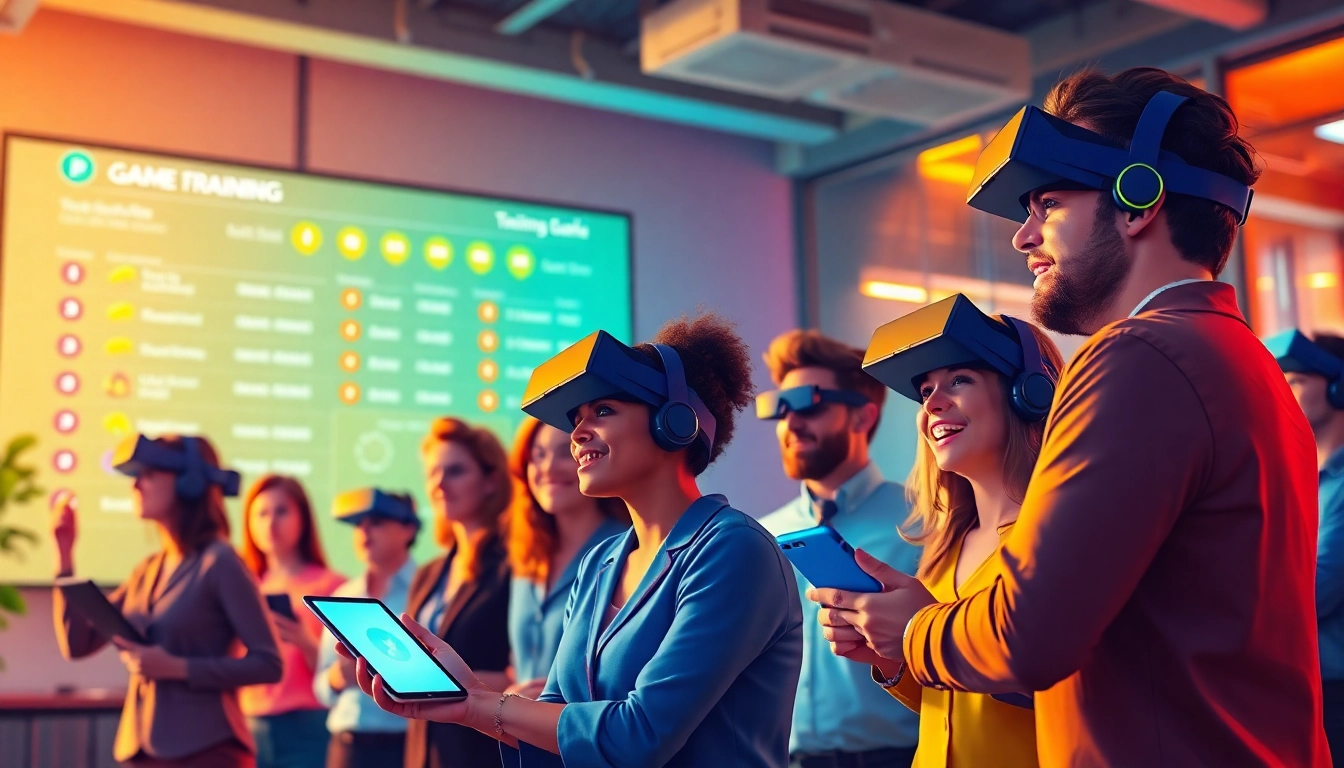
Understanding Training Gamification
What is Training Gamification?
Training gamification involves the integration of game elements and design techniques into learning environments to boost engagement and motivation among learners. By incorporating aspects such as points, badges, leaderboards, and challenges, organizations transform traditional training methodologies into vibrant, interactive experiences. This innovative approach fosters a sense of achievement and competition that encourages learners to actively participate and apply their skills in real-world scenarios. Whether it's for corporate training or educational settings, training gamification leverages the innate human desire for achievement and social interaction to create a more effective educational experience.
Benefits of Training Gamification
- Enhanced Engagement: Gamification transforms mundane training sessions into engaging experiences, leading to higher levels of participation among learners.
- Improved Retention Rates: Game mechanics compel learners to interact with content repeatedly, solidifying knowledge retention and understanding.
- Immediate Feedback: Participants receive instant feedback through score tracking and progress indicators, allowing them to adjust their learning strategies in real time.
- Increased Motivation: The competitive elements of gamification inspire learners to push their boundaries, strive for improvement, and earn recognition for their efforts.
- Customization and Flexibility: Learners can often tailor their gamified experiences to suit their learning styles and paces, enhancing personal investment in the training process.
Key Elements of Gamification in Learning
To effectively incorporate gamification into training, several key elements must be considered:
- Goals and Objectives: Clear and measurable objectives determine the direction of the training and set expectations for learners.
- Game Mechanics: Incorporating mechanics such as point scoring, challenges, and badges fosters healthy competition and encourages participation.
- User Experience: An intuitive and user-friendly platform enhances engagement by ensuring learners have an enjoyable experience navigating the training.
- Community and Collaboration: Features that promote social interactions—such as leaderboards and forums—can increase motivation and provide networking opportunities.
- Progress Tracking: Mechanisms that allow learners to track their progress and achievements promote a sense of accomplishment and encourage continued effort.
Implementing Training Gamification
Step-by-Step Implementation Process
A methodical implementation of gamification principles is essential for success. Here’s a streamlined process to consider:
- Identify Training Needs: Analyze the training objectives and pinpoint the skills and knowledge gaps within your organization.
- Select Appropriate Gamification Elements: Based on the training needs, choose game mechanics that align with objectives, such as challenges, rewards, or interactive scenarios.
- Design the Gamified Experience: Develop the training content with engaging narratives, visuals, and interactions to keep learners interested.
- Choose Technology Platforms: Select a digital platform that supports gamified learning to ensure ease of access and user satisfaction.
- Test and Iterate: Conduct pilot sessions to gather feedback and make necessary adjustments to improve engagement and effectiveness.
- Launch and Promote: Roll out the gamified training program and actively promote participation through organizational communication channels.
Choosing the Right Tools for Gamification
Selecting appropriate tools is crucial for enhancing the gamified experience. Here are some common platforms and tools:
- Learning Management Systems (LMS): Platforms like Moodle and TalentLMS offer integrated gamification features that allow organizations to create, manage, and analyze their gamified courses.
- Gamification Software: Tools such as Kahoot! and Bunchball provide specific gamification functionalities, including challenges and leaderboards.
- Mobile Apps: Custom mobile applications designed for gamified learning can enhance accessibility and user engagement, allowing learners to engage at their convenience.
Common Challenges and Solutions
While gamification comes with many benefits, implementing it can present specific challenges. Understanding these and developing solutions is essential:
- Resistance to Change: Employees may be skeptical about gamified training. Solution: Provide education on the benefits and encourage leadership support to drive adoption.
- Overemphasis on Competition: If not balanced, competition can discourage some learners. Solution: Incorporate collaborative elements such as team challenges to foster a more inclusive environment.
- Technology Limitations: Not all employees may be comfortable with technology. Solution: Provide training and support to help individuals adjust to the gamified platform.
Innovative Examples of Gamified Training
Case Studies of Successful Implementations
Many organizations have successfully implemented gamification in training, yielding significant results:
- Deloitte: The company introduced a gamified leadership program that increased participation by 50% through engaging challenges and team gameplay.
- Microsoft: With its Microsoft Learn platform, the company incorporated gamified elements to facilitate tech skill development, resulting in higher completion rates.
- Google: The giant tech firm uses gamified projects and peer-based competition to encourage innovative problem-solving among its employees.
Industry-Specific Gamification Examples
Each industry adapts gamification to meet its unique training requirements:
- Healthcare: Medical professionals engage in gamified simulations to practice procedures and decision-making in life-like scenarios.
- Retail: Companies like Walmart incorporate gamification in staff training through point systems, where employees earn rewards for completing training modules.
- Manufacturing: Employees use gamification to enhance safety protocols, where they earn points and badges for adhering to safety procedures.
Gamification vs Traditional Training: A Comparison
Comparing gamified training to traditional methods highlights the advantages of adopting game-based learning strategies:
AspectGamified TrainingTraditional TrainingEngagementHigh engagement with interactive elementsLower engagement with passive learning stylesMotivationEnhanced motivation through rewardsMotivation driven by obligationLearning RetentionHigher retention due to repeated interactionLower retention with minimal engagementFeedbackImmediate feedback through game mechanicsDelayed feedback from assessments
Measuring the Impact of Gamification
Key Performance Indicators for Gamified Training
Measuring the effectiveness of gamification involves specific metrics that reflect learner engagement and skill acquisition. Common KPIs include:
- Completion Rates: Tracking how many participants finish the training can indicate overall engagement success.
- Engagement Metrics: Analyzing participation rates, time spent, and interactions within the gamified environment.
- Learning Outcomes: Assessing improvement in knowledge retention and application through practical assessments post-training.
- Feedback Scores: Gathering learner feedback to evaluate their experiences and insights on the gamification strategy.
Tools and Techniques for Evaluation
Use various tools and techniques to assess the effectiveness of your gamified training initiatives:
- Analytical Tools: Software like Google Analytics and specific LMS reporting features allow tracking of user behavior and engagement data.
- Surveys and Polls: Conducting anonymous surveys can provide valuable feedback on learner satisfaction and any areas for improvement.
- Focus Groups: Gathering small groups for qualitative insights can help understand the learner experience more deeply.
Feedback Mechanisms in Gamified Environments
Implementing robust feedback mechanisms is crucial for a sustainable gamified training program:
- Points and Rewards: Immediate point awards for completing tasks help keep learners motivated and engaged.
- Continuous Feedback: Regular prompts or notifications about learner progress keep engagement levels high and direct learners toward improvement.
- Peer Reviews: Encouraging peer-to-peer feedback helps develop collaboration and community within the training environment.
The Future of Training Gamification
Emerging Trends and Technologies
The landscape of training gamification continues to evolve, leading to new trends and technologies:
- Personalization: Data-driven personalization will tailor gamified experiences to individual learner preferences and skill levels.
- Microlearning: The focus on bite-sized learning segments reinforces knowledge retention while integrating gamification strategies.
- AR and VR Technologies: Augmented and virtual reality will provide immersive learning experiences, enhancing engagement and retention through simulation.
Integrating AI and VR in Gamified Learning
The integration of artificial intelligence and virtual reality will revolutionize how training is gamified:
- AI Personalization: AI can analyze learner behavior and preferences to dynamically adjust content and challenges, providing a tailored learning experience.
- Virtual Scenarios: VR allows learners to engage in lifelike training environments, practicing skills in simulated real-world contexts while experiencing gamified elements.
Preparing for Evolving Learning Needs
Organizations must remain agile to meet changing learning needs and preferences:
- Regular Updates: Continuously update gamified content to reflect new industry standards, technologies, and learner expectations.
- Feedback Loops: Establishing mechanisms for ongoing feedback ensures that learning programs are relevant and engaging.
- Cultural Adaptation: Tailor gamification elements to align with the organizational culture to promote acceptance and sustain motivation among learners.