The Landscape of Precision Machining in Malaysia
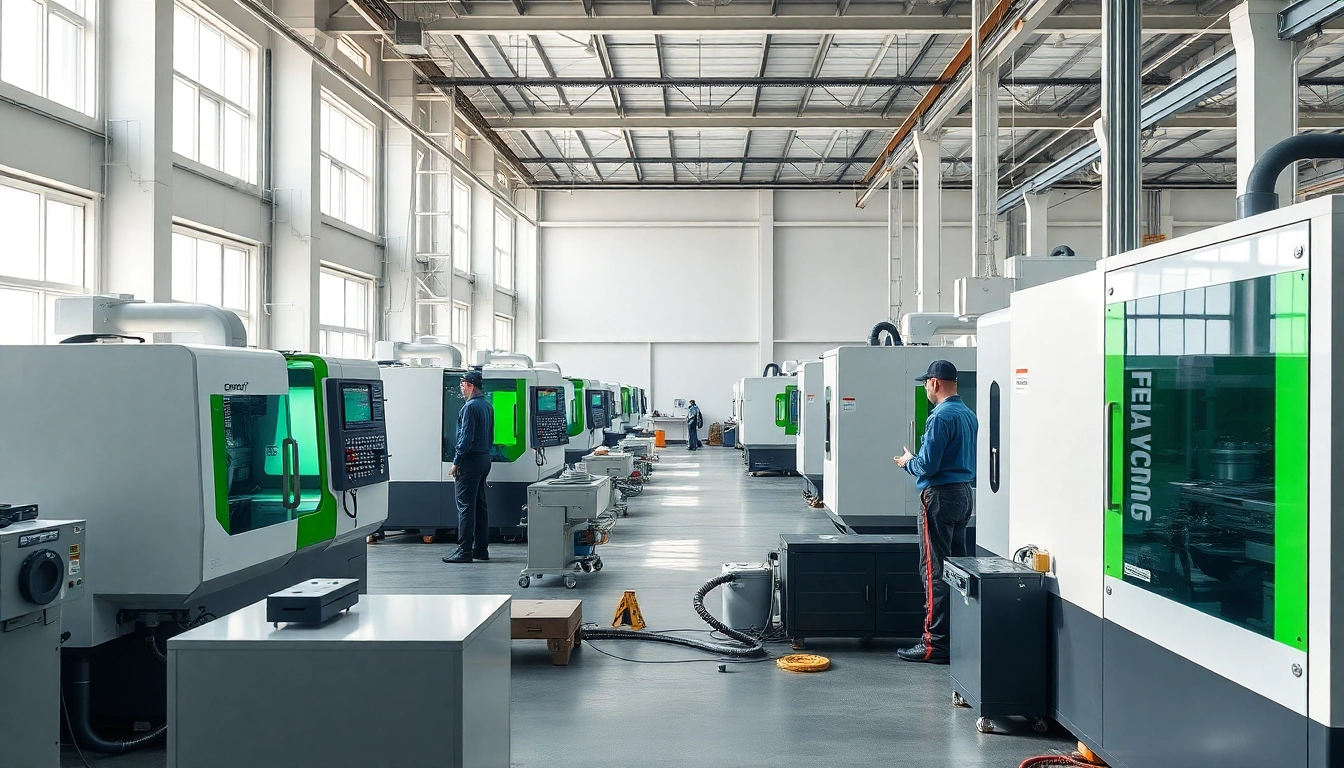
Precision machining plays a pivotal role in the manufacturing sector in Malaysia, offering techniques that ensure components are crafted to exact specifications. In an era where technological advancements define operational efficiency and product quality, the demand for precision machining in Malaysia has rapidly increased. Companies are continually searching for reliable partners to meet their intricate manufacturing needs. When exploring options, precision machining malaysia provides comprehensive insights into the industry's best practices and offering capabilities.
Overview of Precision Machining Malaysia
Precision machining refers to machining parts to exact specifications, which involves a variety of methods including CNC (Computer Numerical Control) machining, turning, and milling among others. The emergence of precision machining has significantly transformed Malaysian manufacturing, allowing companies to produce small batches of complex components with a high degree of accuracy. The integration of advanced technology and skilled labor has positioned Malaysia as a competitive player in the precision machining landscape.
Main Industries Utilizing Precision Machining
Several key industries rely heavily on precision machining processes:
- Aerospace: Precision components are essential for the safety and reliability of aircraft.
- Medical Devices: High-precision parts are crucial in medical instruments and devices to ensure performance and compliance with health regulations.
- Automotive: The automotive industry demands high-quality, durable parts for performance and safety.
- Electronics: Components produced must meet stringent dimensional standards for functionality.
Key Trends Shaping the Future of Manufacturing
As industries evolve, several trends are shaping the future of precision machining in Malaysia:
- Increased Automation: The adoption of automated systems enhances production efficiency and reduces human error.
- Focus on Sustainability: Manufacturers are pushing towards eco-friendly processes in response to global sustainability goals.
- Customization and Flexibility: There is a growing demand for customized parts, which requires adaptable machining solutions to accommodate varying specifications.
Understanding Precision Machining Processes
Types of Precision Machining Techniques
The precision machining landscape encompasses various techniques, each suited for different applications:
- CNC Machining: Utilizes computerized controls to guide tools, allowing for intricate designs and repeatability.
- Turning: A process where the workpiece is rotated against a cutting tool, ideal for cylindrical parts.
- Milling: Involves rotating cutting tools to remove material from a stationary workpiece, perfect for creating complex shapes.
- EDM (Electrical Discharge Machining): Uses electrical discharges to shape metal, particularly useful for hard materials.
Benefits of Precision Machining for Manufacturers
Companies that invest in precision machining stand to gain numerous advantages, including:
- Enhanced Product Quality: High accuracy results in better fitting components and reduces the likelihood of defects.
- Cost Efficiency: While initial setup costs can be high, the long-term savings from reduced waste and rework make precision machining economically advantageous.
- Faster Turnaround Times: Automated processes enable quicker production, allowing companies to respond rapidly to market demands.
Common Challenges in Precision Machining
Despite its benefits, precision machining faces certain challenges:
- Material Limitations: Not all materials can be machined to the required tolerances.
- Technical Expertise: Skilled operators are essential, and a shortage of talent can impact production.
- Cost of Machinery: High-quality machines can be expensive, often deterring small businesses from entering the market.
Technological Advancements in Precision Machining
Impact of Automation and AI in Manufacturing
The rise of automation and artificial intelligence (AI) is reshaping precision machining. Automated CNC machines can operate 24/7, significantly increasing output. AI enhances machining processes by analyzing data to optimize production, minimize waste, and improve quality control. Manufacturers in Malaysia are increasingly investing in these technologies to stay competitive and meet global standards.
Emerging Tools and Equipment for Precision Machining
As technology evolves, new tools and equipment are consistently entering the market. Some noteworthy advancements include:
- Smart Machinery: These machines are equipped with IoT capabilities, allowing real-time monitoring and predictive maintenance.
- Advanced Cutting Tools: New materials and coatings extend the life of cutting tools and improve machining efficiency.
- Software Innovations: CAD/CAM software advancements facilitate more complex machining operations with greater precision.
Future Technologies on the Horizon
Looking ahead, several technologies promise to revolutionize precision machining:
- 3D Printing: While primarily known for additive manufacturing, it can complement traditional machining by prototyping parts quickly.
- Blockchain for Supply Chain Management: Enhancing transparency and traceability in the manufacturing process.
- AI-Driven Predictive Analytics: Using machine learning to forecast maintenance needs and production outcomes.
Quality Assurance and Standards in Precision Machining
Importance of Quality Management Systems
Quality management is critical in precision machining to maintain standards and customer satisfaction. Implementing a robust quality management system (QMS) ensures that all processes are monitored, documented, and continuously improved. This encompasses everything from design to production and delivery, assuring clients of consistent quality.
Key Certifications for Precision Machining Companies
Certifications not only enhance a company's credibility but also reassure clients of their commitment to quality. Key certifications include:
- ISO 9001: Focuses on quality management principles.
- AS9100: Specifically tailored for the aerospace industry.
- ISO 13485: Pertinent to the medical device sector.
Best Practices to Ensure Product Quality
Implementing best practices is vital for quality assurance:
- Regular Training: Keeping employees updated on the latest technologies and practices.
- Process Audits: Frequent checks to ensure adherence to standards and identify areas for improvement.
- Investing in Technology: Utilizing advanced machinery and software to minimize errors.
Choosing the Right Precision Machining Partner in Malaysia
Evaluating a CNC Machining Company
Selecting the right partner for precision machining is crucial for success. Companies should consider factors such as:
- Technology and Capabilities: Ensure the company uses state-of-the-art technology that meets specific project requirements.
- Experience and Expertise: Look for a company with a proven track record in your specific industry.
- Reputation: Reviews and testimonials from previous clients can provide insight into reliability and service quality.
Questions to Ask Before Partnering
Before finalizing a partnership, it's essential to ask pertinent questions:
- What are your lead times and production capabilities?
- Can you provide references or case studies from similar projects?
- What is your approach to quality control?
Case Studies of Successful Collaborations
Highlighting successful collaborations can provide reassurance to potential clients. For example, a collaboration between a local aerospace company and a CNC machining specialist resulted in significant improvements in both turnaround time and production costs, showcasing the tangible benefits of choosing the right partner.