Understanding the Role of Scaffolders in Manchester
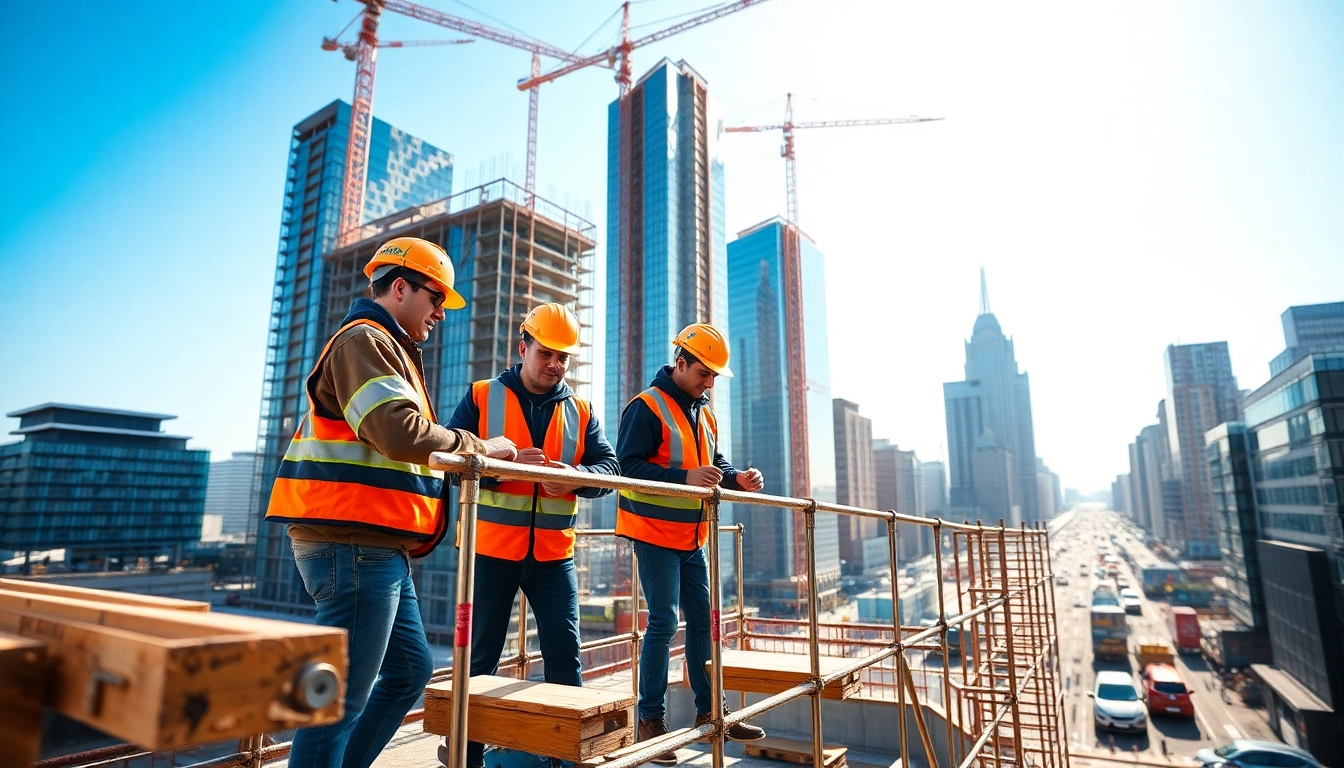
In the bustling construction landscape of Manchester, the role of scaffolders is crucial. Scaffolders are the backbone of any construction project, providing the necessary structures that enable workers to perform their jobs safely and efficiently. They not only set up and dismantle scaffolding but also ensure that the frameworks are compliant with safety regulations to protect workers at heights. Understanding the myriad functions and responsibilities of scaffolders can significantly influence the success of construction projects. A well-coordinated scaffold setup directly impacts project timelines, safety, and overall quality, making it essential to work with skilled Scaffolders Manchester.
What Scaffolders Do in Construction Projects
Scaffolders undertake several vital tasks in construction projects. Their primary responsibility involves erecting and dismantling scaffolding – temporary structures that provide access to various heights for construction workers. Scaffolders must read architectural plans to identify the necessary structure and ensure that their work adheres to design specifications. In addition to building scaffolding, they also reinforce and inspect the structures regularly to ensure they remain stable and safe throughout the construction process. Key tasks performed by scaffolders include:
- Designing scaffolding layouts based on project requirements.
- Assembling various scaffolding components such as poles, couplers, and boards.
- Implementing safety measures like guardrails and toe boards.
- Conducting regular inspections for structural integrity and safety compliance.
- Providing guidance to construction workers on safe scaffold usage.
By performing these tasks with expertise, scaffolders ensure that construction workers can access required areas safely, thereby preventing accidents and enhancing work efficiency.
Key Safety Regulations and Standards
The safety of scaffolders and construction workers relies heavily on adherence to established safety regulations and standards. In the UK, the Health and Safety Executive (HSE) outlines specific guidelines that scaffolders must follow, such as:
- Work at Height Regulations 2005: These regulations provide a framework for minimizing risks associated with working at height. Scaffolders must ensure that all scaffolding complies with these legal requirements.
- BS EN 12811: This British Standard focuses on the performance requirements and general design of temporary works like scaffolding, laying the groundwork for safety and stability.
- SG4:15: This document provides guidance for preventing falls from scaffolding and ensuring worker safety through proper use of equipment and best practices.
By familiarizing themselves with and implementing these regulations, scaffolders can help mitigate risks associated with scaffolding work and create a safer construction environment.
The Importance of Hiring Qualified Scaffolders
Hiring qualified scaffolders is non-negotiable in any construction project. Experienced scaffolders bring a wealth of knowledge and skills that are critical in ensuring that the scaffolding meets safety and regulatory standards. They understand the nuances of different project requirements and can tailor scaffolding solutions accordingly.
Moreover, qualified scaffolders are usually equipped with necessary certifications and training, which signify their capability and adherence to best practices. Investing in qualified scaffolders mitigates risks, potentially saving companies from costly accidents, project delays, and legal repercussions. Safety on a construction site is paramount, and the consequences of substandard scaffolding can be severe, making the need for expertise all the more important.
Choosing the Right Scaffold for Your Project
Choosing the appropriate scaffolding solution for your project is essential to ensure efficiency, safety, and cost-effectiveness. With various types of scaffolding available, it’s crucial to evaluate project requirements thoroughly to make an informed choice.
Types of Scaffolding Available in Manchester
In Manchester's construction industry, several types of scaffolding are prominent, each suited for different applications. Some commonly used scaffolding types include:
- Tube and Fitting Scaffolding: This traditional scaffolding consists of tubes and connectors (fittings) that allow for flexible design and adaptability. Its versatility makes it suitable for various projects, including large-scale constructions.
- System Scaffolding: Made up of prefabricated components, system scaffolding requires minimal assembly time and is ideal for repetitive tasks. It maximizes efficiency while maintaining strength and safety.
- Mobile Scaffolding: Designed with wheels, mobile scaffolding is perfect for projects requiring frequent movement. It’s essential for tasks needing access to multiple areas without losing time setting up new scaffolds.
- Suspended Scaffolding: This type is primarily used when working on taller buildings where scaffold platforms are suspended from a structure. It allows workers to reach upper floors easily and safely.
- Single Scaffolding: Commonly used for brick masonry work, this scaffolding consists of a single row of vertical poles. While limited in application, it can still be essential for specific tasks.
Understanding these options and their suitability for various tasks can streamline the scaffolding process, making it easier for construction teams to execute projects efficiently.
Factors to Consider When Selecting Scaffolding
When selecting scaffolding for a construction project in Manchester, several factors need to be taken into account:
- Project Requirements: Understand the specific tasks that scaffolding will facilitate. Consider the height, weight, and frequency of use, as well as any special access needs.
- Site Conditions: Assess the site environment, including ground conditions, weather, and proximity to other structures. These factors can affect stability and safety.
- Cost: Balancing budget constraints with required quality is vital. While it may be tempting to choose the least expensive option, cheap scaffolding can lead to safety issues and ultimately cost more in the long run.
- Compliance with Regulations: Ensure that chosen scaffolding meets current safety standards and local regulations. Non-compliance can lead to legal challenges and increased liability.
- Ease of Use: Select scaffolding types that facilitate easy assembly and disassembly. This efficiency can lead to significant time savings during the project.
By carefully evaluating these factors, project managers can choose the most effective scaffolding solutions, enhancing overall project productivity.
Cost Considerations for Scaffolders in Manchester
Understanding the cost dynamics associated with hiring scaffolders in Manchester is essential for budgeting and project planning. Several aspects influence the overall costs, including:
- Scaffolding Type: Different scaffolding materials and types have varying costs. Tube and fitting scaffolding may be more labor-intensive to assemble but offers flexibility, while system scaffolding may incur higher material costs but require less labor.
- Project Duration: Longer projects may lead to increased labor costs and rental fees for scaffolding materials. Accurately estimating project timing can help mitigate costs.
- Local Rates: The rates for scaffolders in Manchester may vary based on the contractor’s experience, reputation, and the local market demand. It’s beneficial to obtain quotes from multiple sources to ensure competitive rates.
- Transport and Logistics: If scaffolding materials need to be transported, logistics costs should be considered in the overall budget.
- Maintenance and Inspection: Regular inspections to ensure safety compliance can add ongoing costs, but they are vital for ensuring the integrity of scaffolding throughout the project.
By recognizing these cost considerations, project managers can budget effectively, maintain financial oversight, and prevent surprises throughout the project lifecycle.
Benefits of Hiring Local Scaffolders in Manchester
Hiring local scaffolders in Manchester offers numerous advantages, making it a practical choice for construction projects. Local scaffolders not only understand the region's specific architectural styles and environmental conditions but also bring unique insights into local regulations and community needs.
Accessibility and Convenience
One of the primary benefits of hiring local scaffolders is the accessibility they offer. Proximity to your construction site means quicker response times for any scaffolding needs, whether it involves regular inspections, adjustments, or dismantling.
Local scaffolders also understand the traffic patterns and regulations within their community, facilitating smoother transportation logistics for both scaffolding materials and work crews. This can significantly reduce downtime and enhance productivity on-site.
Knowledge of Local Regulations
Local scaffolders possess in-depth knowledge of the specific regulations and standards that govern construction in Manchester. They ensure compliance with local health and safety laws, reducing the risk of legal challenges and ensuring project continuity.
Their familiarity with local codes allows them to anticipate regulatory inspections and adapt their scaffolding setups accordingly. This local expertise ensures that construction timelines remain on track while upholding safety standards.
Supporting the Local Economy
Engaging local scaffolders contributes to the economic growth of Manchester. By hiring local talent and sourcing materials from regional suppliers, construction projects create jobs and stimulate the local economy.
Moreover, supporting local businesses fosters a sense of community and encourages sustainable practices, leading to a more vibrant economy for all residents. This collaboration not only enhances the construction landscape, but it also builds positive relationships within the community.
Common Challenges Faced by Scaffolders
Scaffolders encounter various challenges that can impact their performance and safety on the job site. Understanding these challenges and identifying solutions is essential for maintaining efficiency and integrity in construction projects.
Weather-Related Issues and Solutions
Weather conditions can greatly affect scaffolding work. Adverse weather, such as heavy rain, strong winds, or snow, may compromise the stability and safety of scaffolding structures. Scaffolders must continuously monitor weather forecasts and be prepared to implement appropriate responses, such as:
- Adapting scaffolding designs for resiliency against wind loads.
- Utilizing protective coverings to shield scaffolding and workers from rain.
- Ensuring that scaffolding remains dry to prevent slip hazards.
- Postponing work during severe weather to avoid accidents.
By proactively addressing weather-related challenges, scaffolders can reduce risks and ensure a safer work environment.
Time Management on Construction Sites
Effective time management is paramount on construction sites, and scaffolders often face tight schedules that can lead to rushed work and potential safety hazards. Scaffolders must coordinate closely with project managers and other trades to plan and execute their tasks efficiently.
Utilizing project management tools to track timelines, and assigning responsibilities clearly can enhance workflow. Regular communication with the entire construction team also helps in aligning schedules and adjusting as needed to minimize delays or conflicts.
Ensuring Safety Amid Complex Tasks
The complexity of scaffold erection and maintenance in dynamic construction environments poses significant safety challenges. Scaffolders must always adhere to established safety protocols while managing multiple responsibilities.
Training and ongoing education in first aid, fall prevention, and equipment handling are vital for scaffolders. Companies should encourage a culture of safety where all workers feel empowered to report unsafe conditions or practices. Conducting regular safety drills and inspections can also reinforce safety awareness and keep all team members vigilant.
How to Maintain a Safe Work Environment
Establishing a safe work environment is an ongoing responsibility that cannot be overlooked. Scaffolders, project managers, and site supervisors must collaborate to implement effective safety measures throughout construction projects.
Training and Certification for Scaffolders
Proper training and certification are the cornerstones of a safe scaffolding operation. Scaffolders must undergo rigorous training programs that cover a wide range of topics, including:
- Scaffolding standards and regulations
- Safe erection and dismantling procedures
- Inspection techniques to identify potential hazards
- Emergency response protocols
Investing in thorough training ensures that scaffolders are well-prepared to manage their responsibilities safely. Companies should prioritize employing scaffolders who possess relevant certifications and offer ongoing training opportunities to keep their skills fresh.
Regular Inspections and Maintenance Practices
Consistent inspections and maintenance of scaffolding structures are vital for ensuring safety on construction sites. Scaffolders should establish a routine inspection schedule to assess:
- Structural integrity
- Condition of materials and components
- Compliance with safety regulations
- Correct assembly and installation
During inspections, scaffolding should be assessed for signs of wear, damage, or improper use. Any deficiencies must be addressed immediately to prevent potential accidents or failures.
Establishing Safety Protocols and Culture
Creating a culture of safety involves developing clear protocols that outline safety expectations and practices for all site personnel. Effective protocols should include:
- Clear communication of safety roles and responsibilities
- Regular safety meetings and briefings
- Encouragement of open dialogue regarding safety concerns
- Provision of necessary personal protective equipment (PPE) for all workers
By establishing strong safety protocols and fostering a culture that prioritizes safety, companies can create a safer work environment and reduce the number of accidents on construction sites.