
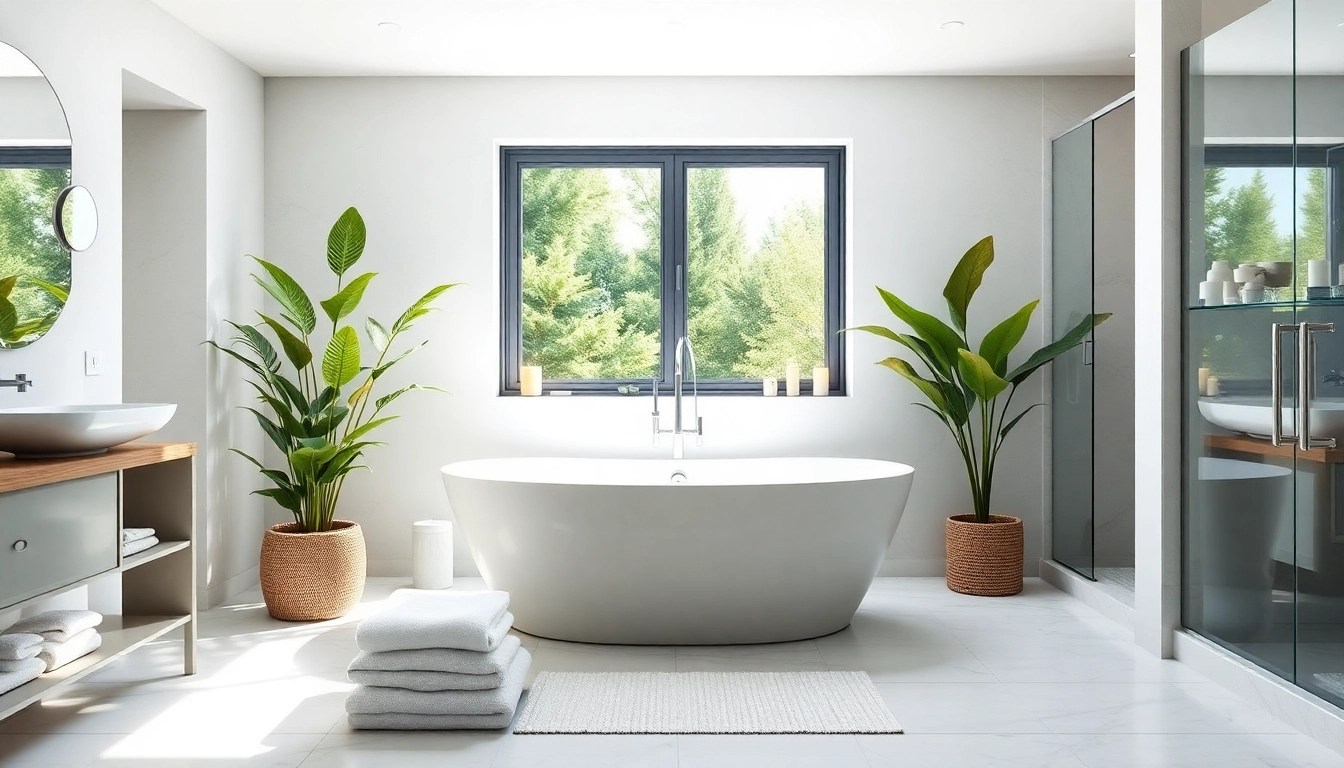
Understanding Bathroom Remodeling: What You Need to Know
Bathroom remodeling is a significant home improvement project that can transform not just the look and feel but also the functionality of your space. With proper planning and execution, you can create a sanctuary that meets both aesthetic desires and practical needs. Whether you desire a luxurious spa-like experience or a more functional space for a growing family, understanding the fundamentals is crucial. For a more in-depth exploration of this topic, consider visiting Bathroom Remodeling.
Overview of Bathroom Remodeling Trends
In recent years, bathroom remodeling has witnessed an evolution driven by the desire for sustainability, technology integration, and personal expression. From eco-friendly materials to smart showers, homeowners are increasingly looking for ways to enhance efficiency while expressing their unique taste. The current trends include:
- Use of Eco-Friendly Materials: Many homeowners are opting for sustainable resources such as bamboo flooring and recycled tiles that not only reduce environmental impact but also add a unique charm to the spaces.
- Smart Technology: Integrating technology in bathrooms through smart mirrors, automated lighting, and Bluetooth-enabled speakers can significantly enhance convenience and luxury.
- Open Designs: The trend of combining bathrooms with bedrooms or creating open-space layouts encourages a more interconnected and spacious feeling.
- Minimalism: Clean lines and minimalist designs help create a serene environment that is easy to maintain.
Key Considerations for Your Remodel Project
Planning a bathroom remodel involves more than picking colors and tiles. Key factors include:
- Layout: Existing plumbing may dictate the layout of the new bathroom. Understanding this can save you considerable time and costs.
- Storage Needs: As bathrooms can often become cluttered, planning for adequate storage solutions is paramount, whether through cabinets, open shelves, or built-ins.
- Ventilation: Proper ventilation is essential to prevent mold growth. Ensure that your remodel includes a reliable ventilation system or windows to maintain air quality.
- Safety Features: Depending on the inhabitants of your home, consider including features like grab bars, non-slip flooring, and water-activated lights for safety.
Budgeting Effectively for a Successful Bathroom Remodel
Establishing a comprehensive budget is essential for any home renovation project. Here's how you can set an effective budget for your bathroom remodel:
- Initial Assessment: Determine the scope of your project. Are you doing a complete overhaul or simply updating fixtures?
- Design Costs: Factor in design fees if you plan to work with a professional. Even a consultant can guide you in maximizing space and materials.
- Materials: Research vendors to get a sense of what materials will cost. Create a spreadsheets to compare prices of different materials and finishes.
- Labor: Labor can be a significant part of your budget, so get quotes from several contractors to ensure you are receiving a fair price.
- Contingency Funds: Set aside 10-20% of your total budget for unexpected costs that often arise during renovations.
Choosing the Right Bathroom Design Style
Inspiring Bathroom Remodeling Style Ideas
When it comes to bathroom styling, several concepts can inspire your design. Among the popular styles are:
- Modern: Characterized by clean lines, sleek surfaces, and minimal ornamentation, this style often incorporates monochromatic color schemes.
- Classic: Classic bathrooms often feature traditional components like clawfoot tubs, pedestal sinks, and intricate tile work.
- Farmhouse: This style emphasizes rustic beauty with vintage-inspired fixtures, distressed wood accents, and a neutral palette.
- Beachy: Light colors, natural materials, and seaside-inspired accents come together to create a calming coastal vibe.
Combining Functionality with Aesthetic Appeal
It’s vital to ensure that the bathroom’s design does not only focus on appearance but also on functionality:
- Well-Planned Layout: Your design should focus on how you use the space – is it just for quick morning routines or also for relaxation?
- Accessibility: All elements in the bathroom should be easily accessible; consider heights of sinks and counters accordingly.
- Lighting: Ensure that you have both ambient and task lighting that can highlight your design but also serve practical purposes like shaving or applying makeup.
Popular Bathroom Layouts Explained
Understanding typical layouts can help you decide how to best utilize your space. Some common bathroom layouts include:
- Full Bathroom: Usually includes a sink, toilet, and tub/shower. Ideal for homes with ample space.
- Three-Quarter Bathroom: Features a sink, toilet, and shower but no tub. This layout is often used in smaller homes where space is limited.
- Half Bathroom: Contains just a toilet and sink; perfect for guest use and often situated near living areas.
- Master Bathroom: This layout is often larger and can include separate areas for the tub/shower and toilet, luxury features like double sinks, and ample storage.
Essential Elements of Bathroom Remodeling
High-Quality Materials to Consider
Selecting high-quality materials can significantly impact the aesthetic and durability of your bathroom. Key materials include:
- Flooring: Options like porcelain tiles, vinyl, or natural stone are popular choices for their durability and water resistance. Consider slip-resistant options for safety.
- Countertops: Materials such as quartz and granite can offer both beauty and resilience against moisture and scratches.
- Cabinetry: Invest in quality cabinetry that can withstand humidity and increasing usage over time.
- Fixtures: Select faucets and showerheads that are not only attractive but also conserve water.
Understanding Plumbing and Electrical Updates
A robust understanding of plumbing and electrical updates is essential in any remodeling project:
- Upgrade Systems: Consider upgrading your plumbing systems during a remodel for better water pressure and fewer service issues.
- Electrical Work: Ensure that your electrical system can handle new lighting, outlets, and smart devices.
- Permits: Be aware of local building codes and obtain the necessary permits before starting major renovations.
Innovations in Bathroom Fixtures and Appliances
Today's bathrooms can be enhanced with cutting-edge fixtures and appliances that blend functionality with luxury, such as:
- Smart Toilets: Offer features such as heated seats, self-cleaning functionalities, and integrated bidets.
- Water-Saving Showerheads: These help reduce water usage while still delivering a satisfying shower experience.
- Touchless Faucets: Promote cleanliness and conserve water by automatically turning on and off.
- Heated Flooring: Provide comfort and warmth to bathrooms in colder months, enhancing overall comfort.
Executing Your Bathroom Remodel
Hiring the Right Contractor for Your Remodeling Needs
Choosing the right contractor is critical for the success of your bathroom remodel. Consider the following:
- Credentials & Reviews: Check for licenses, insurances, and reviews online to gauge their past performance and customer satisfaction.
- Experience: Ensure the contractor has specific experience in bathroom renovations to help navigate potential pitfalls.
- Communication: Keeping open lines of communication is vital to ensure your ideas and concerns are addressed throughout the process.
Establishing a Timeline and Project Plan
Develop a detailed timeline with your contractor that includes milestones and deadlines for each phase of the remodel:
- Pre-Demolition: This can include obtaining permits and finalizing design layouts.
- Demolition: The demolition phase can vary in length depending on the complexity of the remodel.
- Installation: This includes installing plumbing, electrical, flooring, cabinetry, and fixtures.
- Finishing Touches: Ensure all aspects are completed, and conduct a final walkthrough with your contractor.
Staying on Track During the Remodeling Process
To avoid delays and issues throughout the remodeling process, consider these strategies:
- Daily Updates: Maintain daily communication with your contractor for consistent updates on progress.
- Stay Flexible: Be prepared for potential changes or delays due to unforeseen circumstances, like supply chain issues or weather conditions.
- Quality Control: Regularly check the work against the project plan to ensure everything aligns with your expectations.
Post-Remodel Care: Maintaining Your New Bathroom
Regular Maintenance Tips for Longevity
Once the remodel is complete, maintaining your new bathroom is crucial for its longevity:
- Regular Cleaning: Use gentle cleaning products to keep surfaces clean without damaging finishes.
- Inspect Fixtures: Regularly check your plumbing and fixtures for signs of wear or leaks to mitigate larger issues down the line.
- Regrouting and Sealing: Periodically check any grout lines for wear and reapply sealant as needed to prevent water damage.
How to Handle Common Bathroom Issues
Common bathroom issues can arise even in newly remodeled spaces. Some tips for addressing these include:
- Mold and Mildew: Use dehumidifiers and ensure proper ventilation to control moisture levels in your bathroom.
- Clogged Drains: Regularly maintain drain covers and consider periodic professional cleaning to prevent clogs.
- Paint Peeling: Address any signs of moisture immediately and repaint with moisture-resistant paint.
Incorporating Smart Technology in Your Bathroom
Finally, consider incorporating smart technology into your bathroom for enhanced convenience and energy efficiency:
- Smart Mirrors: Capable of displaying time, weather, and even acting as a touchscreen for various functions.
- Automated Lighting: Enhance usability with lighting that adjusts according to your needs, setting various moods or reminding you of routines.
- Smart Showers: Allow users to control temperature and water flow from their devices, ensuring the perfect shower experience every time.