
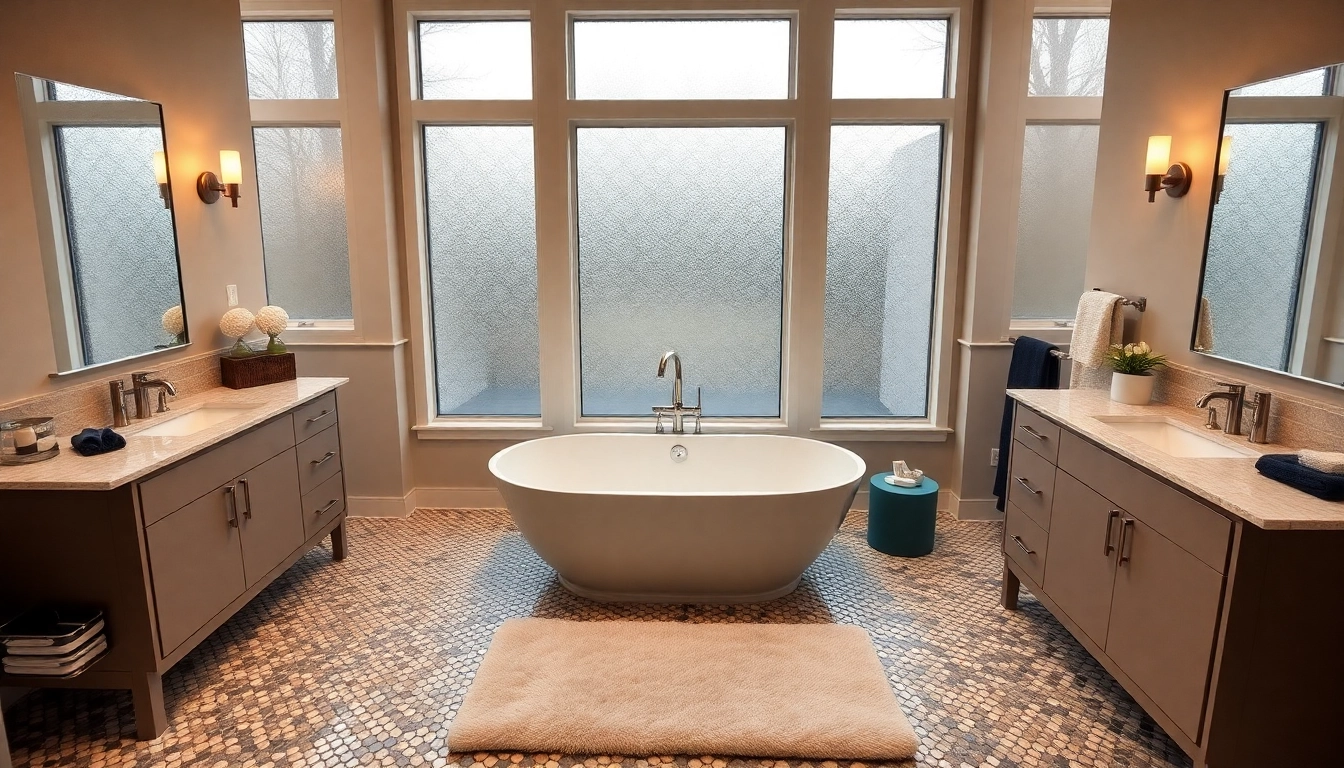
Understanding the Basics of Bathroom Remodeling
What Does Bathroom Remodeling Involve?
Bathroom remodeling is a multifaceted process that can significantly enhance both the functionality and aesthetic of one of the most used spaces in your home. Essentially, it encompasses the renovation and updating of features in a bathroom, which may include fixtures (such as sinks and toilets), cabinetry, countertops, flooring, and wall treatments. A bathroom remodel can range from a simple cosmetic upgrade, like painting the walls and swapping out old fixtures, to a complete overhaul, including changing the layout of the space or upgrading plumbing and electrical systems. With the right planning, a bathroom remodeling project can add value to your home and make the space more enjoyable.
Key Considerations Before Starting Your Project
Before embarking on a bathroom remodel, it's crucial to consider several key factors. Start with an evaluation of your needs and wants. Ask yourself questions like: What specific issues do I want to address? Is this bathroom primarily for guests, or is it a master suite? Understanding the purpose of the space will help guide your decisions. Next, assess your budget—this will dictate the scope of your project. Additionally, consider the current layout; sometimes, making structural changes can lead to improved functionality. Lastly, familiarize yourself with local building codes and regulations, as these can influence your design options.
Common Mistakes to Avoid in Bathroom Remodeling
One of the significant pitfalls in bathroom remodeling is underestimating costs. Many homeowners miscalculate budgets, not accounting for unexpected expenses. Additionally, planning too little—rushing decisions or skipping the planning phase entirely—can lead to suboptimal designs or results. Another common mistake is neglecting proper lighting; a well-lit space enhances usability and aesthetics. Lastly, DIY enthusiasts should be cautious; while many tasks can be completed on your own, some projects require professional skills, especially concerning plumbing and electrical work.
Budgeting for Your Bathroom Remodel
Establishing a Realistic Budget
Establishing a realistic budget is crucial for the success of your bathroom remodeling project. Begin by researching the average costs associated with bathroom remodels in your area; depending on size and choices, estimates typically run between $6,000 and $14,000 for standard renovations. A realistic budget should account for materials, labor, fixtures, and an additional 10-20% for unexpected costs. Prioritize your spending based on your must-haves versus nice-to-haves, ensuring your budget reflects what is most important to you.
Cost Breakdown of a Bathroom Remodel
A typical bathroom remodel cost breakdown can help you better allocate resources. The expenses generally fall into four major categories: fixtures (30%-40%), labor (20%-30%), materials (20%-30%), and design fees (5%-10%). Fixtures include everything from sinks to bathtubs; labor encompasses hired contractors; materials consist of tiles, paint, lighting, etc.; and design fees relate to any professional design services you opt for. This structured approach ensures you remain within budget while still achieving the desired look and functionality.
Financing Options for Your Bathroom Project
Financing your bathroom remodel can come from various sources. Options include personal savings, home equity loans, credit cards, or specific renovation loans. Each method has its pros and cons; for instance, home equity loans often have lower interest rates compared to credit cards but require equity in your home. It’s vital to consider your financial situation and long-term plans when choosing how to finance your project. Consulting with a financial advisor can also provide tailored insights based on your circumstances.
Choosing the Right Design for Your Bathroom
Popular Styles in Bathroom Remodeling
When selecting a design style, there are numerous options to consider. Contemporary designs focus on sleek lines and minimalism, while traditional styles often feature rich wood accents and classic fixtures. Other popular styles include rustic farmhouse, which incorporates natural materials and warm colors, and coastal, characterized by airy layouts and beach-inspired nuances. Depending on your personal taste, you may find that a hybrid approach—combining elements from various styles—works best for your space.
How to Create a Functional Layout
A functional layout is paramount in bathroom design. Pay attention to the “work triangle” principle—this concept refers to the efficient positioning of key fixtures (sink, toilet, shower/tub). Ensure that the layout allows for enough space to move freely, especially if the bathroom will accommodate multiple users. Moreover, think about storage solutions; built-in shelves or cabinets can enhance functionality while maintaining aesthetics.
The Importance of Lighting in Bathroom Design
Lighting can dramatically affect the appearance and functionality of your bathroom. Install a combination of ambient, task, and accent lighting to ensure your space is well-lit and inviting. Ambient lighting creates an overall illumination, while task lighting—such as sconces next to mirrors—is crucial for activities like shaving or applying makeup. Accent lighting can highlight beautiful tiles or artwork. Furthermore, consider installing dimmer switches to adjust lighting based on the time of day or activity.
Implementing Sustainable Practices in Bathroom Remodeling
Eco-Friendly Materials for Your Bathroom Remodel
Integrating eco-friendly materials into your bathroom remodel is becoming increasingly important, both for the environment and for energy savings. Consider using recycled materials for countertops and flooring or sustainable options such as bamboo, which has a low environmental impact. Additionally, opt for low-VOC paint to improve indoor air quality, or reclaimed wood to give your space a unique touch while reducing waste.
Energy-Efficient Fixtures to Consider
Energy-efficient fixtures can greatly reduce your utility bills and environmental impact. Look for WaterSense-labeled faucets and toilets, which use significantly less water than standard models without sacrificing performance. LED lighting is another excellent choice, as it consumes less energy and has a longer lifespan compared to traditional bulbs. By investing in energy-efficient fixtures, you boost your bathroom's functionality while saving money in the long term.
Water Conservation Techniques in Bathroom Design
Water conservation is a crucial aspect of modern bathroom design. Incorporating dual-flush toilets allows users to select the appropriate flush for their needs, significantly reducing water usage. Low-flow showerheads can also save gallons of water without compromising the quality of the shower experience. Adding a rainwater collection system for purposes like flushing toilets and irrigation can further enhance water conservation efforts in your home.
Post-Remodel Maintenance and Upgrades
How to Maintain Your Newly Remodeled Bathroom
Once your bathroom remodel is complete, regular maintenance is essential to keep it looking fresh and functioning well. Clean surfaces with appropriate, non-abrasive cleaners to avoid damage to fixtures. Regular inspections for leaks, particularly around faucets and showerheads, will help catch issues before they escalate. Scheduling deep cleans periodically can aid in maintaining the integrity of the materials used in the remodel.
Upgrading Accessories for a Fresh Look
Upgrading accessories is a simple way to refresh your bathroom without committing to a full remodel. Consider switching out cabinet hardware, towel bars, or light fixtures to give the space a new vibe. Decorative elements like artwork, plants, or matching towels can also enhance the aesthetic. Regularly updating these smaller items keeps the space feeling modern and aligned with current design trends.
Trends to Watch in Future Bathroom Remodeling
The future of bathroom remodeling continues to evolve with technology and design advancements. Expect to see an increased focus on smart bathroom technology—think smart mirrors, automated lighting, and heated floors. Additionally, biophilic design, which emphasizes natural elements and connections to nature, is gaining traction. Sustainable choices will likely remain a priority, with homeowners seeking efficient and eco-friendly solutions to enhance their lifestyles.