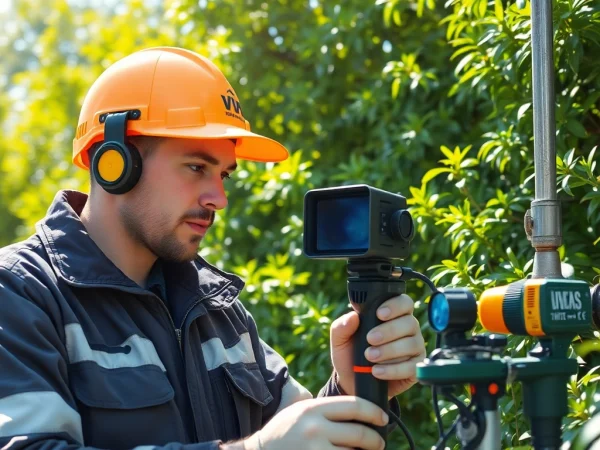

Understanding Leak Detection Cornwall
Leak detection is a critical process in both residential and commercial settings, especially in regions like Cornwall where diverse weather patterns can exacerbate plumbing issues. Water leakage can lead to significant damage, increased utility costs, and even health issues related to mold and structural deterioration. Understanding the nuances of Leak Detection Cornwall is essential for property owners to maintain the integrity of their spaces and ensure peace of mind.
What is Leak Detection?
Leak detection refers to the methods and technologies used to identify leaks in various systems, most commonly in plumbing and water supply lines. This process uses specialized equipment to pinpoint the location of the leak without significant damage to the property, a critical factor in preserving property value and minimizing repair costs. Leak detection can vary from simple visual inspections to advanced technological methods that require trained professionals.
Importance of Early Detection
Early detection of leaks can save property owners from extensive damage and associated costs. Water leaks can create a host of issues, from minor inconveniences to catastrophic failures of infrastructure. Seeping water can lead to structural weaknesses, mold growth, and pest infestations, all of which require costly remediation. By identifying leaks early, homeowners can address issues before they escalate, minimizing repair costs and potential health risks.
Common Causes of Leaks
Understanding the common causes of leaks can aid in their prevention and timely detection. Among the most frequent culprits are:
- Corroded pipes: Over time, metal pipes can rust and corrode, leading to leaks.
- Joint and connection failures: Connections between pipes can weaken and deteriorate, allowing water to escape.
- Tree roots: Invasive roots can penetrate sewer lines and water pipes, causing blockages and ruptures.
- Pressure issues: High water pressure can stress pipes, leading to cracks and leaks.
- Wear and tear: Age and environmental factors can affect the integrity of plumbing systems.
Key Techniques for Leak Detection Cornwall
Understanding the various techniques for leak detection is crucial for effectively addressing potential issues. Different methods vary in terms of sophistication, cost, and accuracy. Below are some key techniques commonly employed in Cornwall.
Non-Destructive Testing Methods
Non-destructive testing (NDT) is a staple in leak detection, offering a means to assess materials and components without causing damage. Techniques often utilized include:
- Acoustic leak detection: This method utilizes microphones and listening devices to detect sounds that indicate leaks, especially effective in plumbing systems.
- Thermal imaging: Infrared cameras can identify temperature variations in walls and floors that indicate leaks, particularly useful in locating hidden leaks.
- Moisture meters: These devices provide real-time readings of moisture levels to find areas susceptible to leaks.
Using Advanced Technology
The advent of technology has revolutionized leak detection. Innovations such as:
- Smart water sensors: These devices provide alerts when unusual water usage patterns indicate a possible leak.
- Ground penetrating radar: This technique allows inspectors to visualize underground piping without disruption.
- Laser technology: Laser scanning can help detect changes in structure and surface conditions, pointing to underlying leak issues.
Manual Inspection Strategies
Despite the growth of technology, traditional manual inspections remain valuable. Strategies include:
- Visual inspections: Trained professionals can often identify signs of leaks like water stains, mold, and damp spots.
- Pressure testing: Testing the water pressure system can reveal if there are any leaks present based on sudden drops in pressure.
- Smoke testing: This method injects non-toxic smoke into plumbing systems to identify leaks through gaps or cracks in the system.
Choosing the Right Leak Detection Method
Selecting the appropriate leak detection method is essential for effective and efficient resolution of issues. The choice often depends on specific factors outlined below.
Comparing Different Techniques
It is vital to compare the strengths and weaknesses of each method. For instance, while acoustic leak detection is effective for finding underground leaks, thermal imaging may be better suited for indoor plumbing issues. An effective detection strategy may combine multiple methods to ensure a comprehensive approach to leak identification.
Factors Influencing Method Selection
Several factors should influence your choice of leak detection methods, including:
- Type of property: Residential properties may require different approaches than large commercial buildings.
- Location of the potential leak: Indoor leaks may not require the same technology as outdoor or underground leaks.
- Budgetary constraints: Understanding the balance between cost and effectiveness is key to choosing the right method.
- Severity of the issue: Critical leaks may require immediate high-tech solutions, while minor leaks can often be addressed with manual techniques.
Cost vs. Accuracy
While more advanced leak detection technologies can provide a higher accuracy rate, they come at a higher cost. Homeowners and property managers must weigh immediate costs against potential future savings. For example, a higher upfront investment in technology might save more in repair costs if it identifies issues early.
Maintenance Tips to Prevent Leaks
Prevention is often more effective than remediation. Regular maintenance can significantly reduce the occurrence of leaks. Implementing a structured maintenance plan is vital for both homeowners and property managers.
Regular Inspections for Homeowners
Homeowners should schedule routine inspections to identify potential issues proactively. Key actions include:
- Inspecting visible pipes for corrosion and moisture regularly.
- Monitoring water bills for sudden increases which might indicate leakage.
- Checking for damp areas in basements, under sinks, and around appliances.
Best Practices for Property Managers
Property managers play a critical role in leak prevention in multi-unit dwellings. Recommended best practices include:
- Establishing a preventive maintenance schedule that includes regular plumbing checks.
- Educating tenants about reporting leaks promptly to minimize damage.
- Staying informed about local infrastructure updates or changes that might impact plumbing.
Seasonal Maintenance Checklists
Seasonal checklists can guide property owners on key tasks to ensure their plumbing systems remain leak-free. Some checkpoints include:
- Winter: Insulate pipes to prevent freezing and cracking.
- Spring: Inspect and clean gutters and downspouts to facilitate proper drainage.
- Summer: Check irrigation systems for leaks and good functioning.
- Fall: Review the heating system for any leaks in pipelines.
How to Select a Leak Detection Cornwall Specialist
Once you’ve established the need for professional leak detection, selecting the right specialist becomes crucial. This decision impacts the quality and efficiency of the services provided.
Qualifications and Certifications to Look For
When evaluating leak detection specialists, it is essential to consider their qualifications. Look for professionals who possess certifications in plumbing or leak detection, demonstrating their expertise in handling complex systems. Training in non-invasive detection methods can also signify a specialist’s commitment to preserving property integrity.
Understanding Service Guarantees
Service guarantees can offer reassurance to homeowners about the quality of work. Many specialists provide warranties on their leak detection findings and any resultant repairs. Understanding these guarantees can give property owners confidence in their investment.
Reading Customer Reviews Effectively
Customer reviews can provide insight into the reliability and competence of prospective leak detection specialists. Recommendations from previous clients can highlight strengths and potential weaknesses. When reading reviews, look for consistent comments about responsiveness, thoroughness, and overall satisfaction, which are excellent indicators of quality service.