
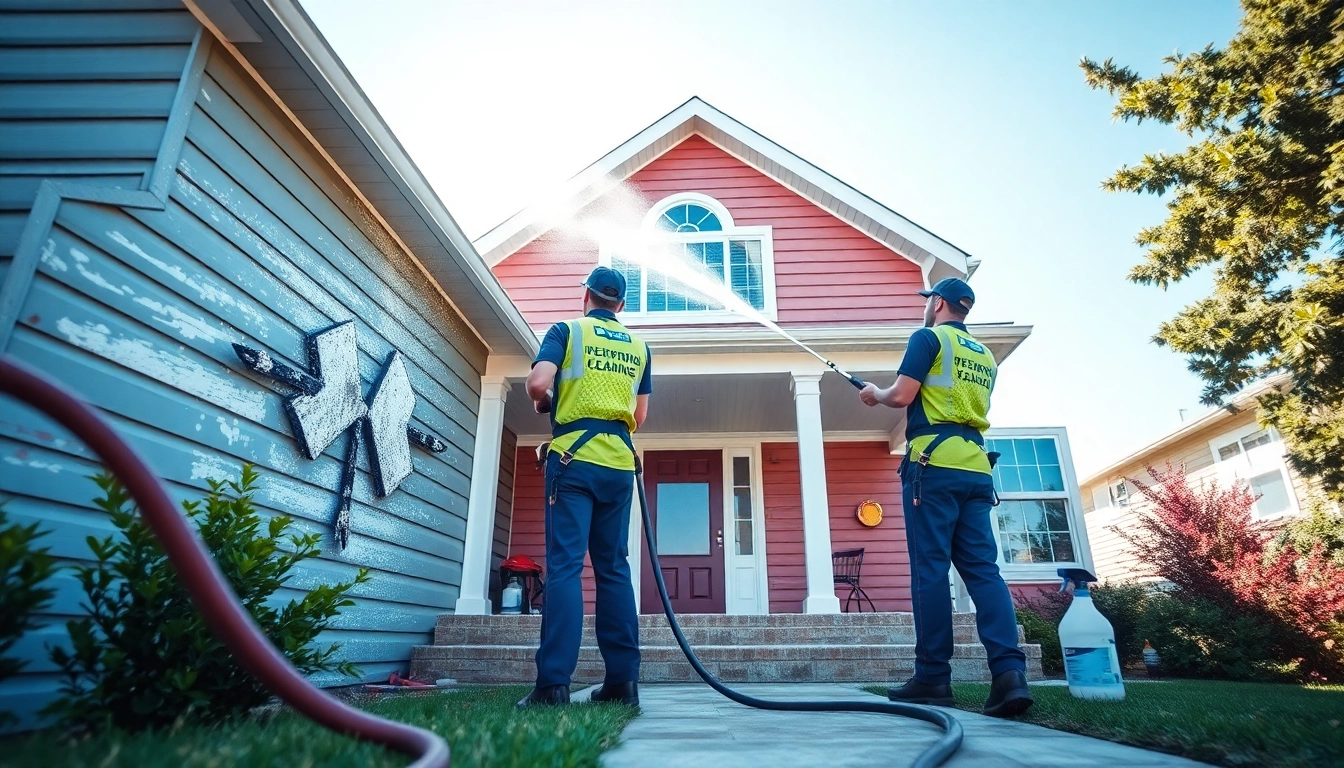
Understanding Exterior Cleaning: Basics and Benefits
What is Exterior Cleaning?
Exterior cleaning encompasses a range of services aimed at maintaining the cleanliness and appearance of a building's outside surfaces. From residential homes to commercial properties, exterior cleaning involves the removal of dirt, grime, mold, mildew, and other contaminants that can accumulate over time. These services often employ specialized techniques and equipment to ensure that surfaces are thoroughly cleaned without causing damage. Regular exterior cleaning not only improves aesthetics but also prolongs the lifespan of building materials.
Benefits of Regular Exterior Cleaning
Engaging in regular exterior cleaning confers numerous advantages:
- Enhanced Curb Appeal: A clean exterior makes a property look well-maintained, boosting its overall appearance and value.
- Preventative Maintenance: Regular cleaning helps to identify potential issues before they become major problems, such as rot, mold, and mildew.
- Health Benefits: Removing mold and mildew reduces allergens and other respiratory irritants, promoting a healthier living or working environment.
- Cost Savings: Regular maintenance can be more cost-effective compared to the expense of restorative work needed due to neglect.
Common Types of Exterior Cleaning Services
Several exterior cleaning methodologies cater to different needs. Some of the most common types include:
- Pressure Washing: Utilizes high-pressure water jets to remove stubborn dirt and grime from hard surfaces like driveways, sidewalks, and siding.
- Soft Washing: A gentler method involving lower pressure and specialized cleaning solutions, ideal for fragile surfaces like roofs or wooden decks.
- Window Cleaning: Ensures that both interior and exterior window surfaces are spotless, improving light penetration and aesthetics.
- Gutter Cleaning: Involves the removal of debris from gutters and downspouts, preventing overflow and water damage to the property.
Choosing the Right Exterior Cleaning Methods
Comparing Soft Washing and Pressure Washing
Understanding the differences between soft washing and pressure washing is crucial in determining which method is suitable for your specific exterior cleaning needs:
Pressure Washing
Pressure washing is effective for tough surfaces such as concrete and brick, where high pressure is required to cleanse deeply embedded dirt. However, if misused, it can damage softer surfaces, leading to paint loss or surface deterioration.
Soft Washing
Conversely, soft washing is ideal for delicate materials like asphalt shingles and wooden sidings. It utilizes lower pressure combined with biodegradable cleaning solutions to eliminate mold, algae, and dirt without causing physical damage. This method ensures thorough cleaning and longevity for more sensitive surfaces.
Eco-Friendly Products for Exterior Cleaning
As environmental consciousness has risen, many cleaning services have turned to eco-friendly products that are effective yet gentle on the environment. Options include:
- Biodegradable Cleaners: These products break down naturally without harming local ecosystems.
- Plant-Based Solutions: Derived from natural sources, these cleaners effectively eliminate mold and mildew with minimal environmental impact.
- Low-Pressure Systems: Utilizing equipment that significantly reduces water usage compared to traditional methods while ensuring effective cleaning.
Recognizing Professional vs DIY Exterior Cleaning
Many homeowners might consider DIY methods for exterior cleaning to save money; however, there are advantages to hiring professionals:
- Expertise: Professionals have the training and experience to identify the safest and most effective cleaning methods for different surfaces.
- Safety: Using specialized equipment can be dangerous; professionals are equipped with safety gear and techniques to mitigate risks.
- Time-Saving: Hiring a service can be a significant time saver, allowing you to focus on other priorities.
Common Challenges in Exterior Cleaning
Identifying Stubborn Stains
Stains from algae, rust, or oil can be challenging to remove and often require specific solutions to treat them effectively. Identifying the type of stain is crucial:
- Mold and Mildew: Generally dark or green spots; bleach-based solutions can be effective for elimination.
- Rust Stains: Often requires specialized rust removal products to break down iron deposits.
- Oil Stains: Typically found in driveways, these need degreasers or solvents for effective removal.
Dealing with Different Surfaces
Every surface type—be it wood, vinyl, concrete, or brick—requires specific cleaning techniques. Understanding the material and its sensitivities is key to achieving effective cleaning without damage. Various surfaces may demand other types of pressure adjustments, cleaning solutions, or methods based on their unique properties and conditions.
Weather Considerations for Effective Cleaning
Weather conditions greatly impact the efficacy of exterior cleaning. Considerations include:
- Dry Weather: Ideal conditions for washing, as surfaces can dry quickly and cleaning solutions can work effectively.
- Rainy Weather: May hinder cleaning efforts as surfaces may remain wet or get re-soiled after cleaning.
- Temperature: Extreme temperatures can affect the performance of cleaning agents and the safety of those performing the job.
Step-by-Step Guide to Exterior Cleaning
Preparing Your Home for an Exterior Clean
Before any exterior cleaning begins, it’s important to prepare the area properly. This includes ensuring all windows and doors are tightly closed, moving outdoor furniture or decorations, and covering any plants or vegetation that might be sensitive to cleaning solutions.
Essential Tools and Supplies for Exterior Cleaning
The right tools make a substantial difference in the efficiency and effectiveness of exterior cleaning. Key tools to have on hand include:
- Pressure Washer: Essential for heavy-duty cleaning tasks.
- Soft Wash System: Ideal for delicate surfaces.
- Extension Ladders: To reach high places safely.
- Protective Gear: Gloves, goggles, and masks to ensure safety during cleaning.
- Cleaning Solutions: Chemical agents tailored for specific surfaces and stains.
Best Practices During Exterior Cleaning Services
Employing best practices during cleaning ensures effectiveness and safety:
- Start from the Top: Always clean from the top down to prevent streaking on already cleaned areas.
- Test Surfaces: Always perform a test patch on a small section before applying solutions broadly.
- Use Proper Techniques: Employ appropriate pressure and cleaning methods for specific materials.
Measuring the Impact of Your Exterior Cleaning
Visual Changes After Exterior Cleaning
Immediately following an exterior cleaning service, visible changes should be apparent, with noticeable improvements in the property's overall appearance. Surfaces should look revitalized, free from stains, moss, and algae, contributing to a fresh and inviting aesthetic.
Estimating Cost vs Benefit of Exterior Cleaning
Weighing the costs involved in professional exterior cleaning against the benefits is an important consideration. Typically, the average cost for house washing ranges from $450 to $850, depending on factors like size, location, and the type of cleaning service requested. When considering potential increases in property value, curb appeal, and health benefits, the investment is often justified and can be viewed as a preventive maintenance expenditure.
Customer Testimonials and Feedback
Customer experiences play a vital role in understanding the effectiveness of exterior cleaning services. Positive feedback highlights successful solutions to stubborn stains, improved property appearance, and satisfaction from efficient service delivery, while constructive criticism can inform providers on areas for improvement, ensuring a commitment to quality and customer satisfaction.